The Children’s Memorial Gardens Blog / News
The Children’s Memorial Gardens Blog / News
The Children’s Memorial Gardens Blog / News
The Quiet Renewal of Spring: How Memorial Gardens Support Healing and Wildlife
Preparing a garden for spring involves cutting back faded stems, supporting wildlife habitats, and enriching the soil for new growth. In memorial gardens especially, these seasonal rituals do more than nurture plants, they create peaceful spaces where visitors can reflect, heal, and reconnect with nature.
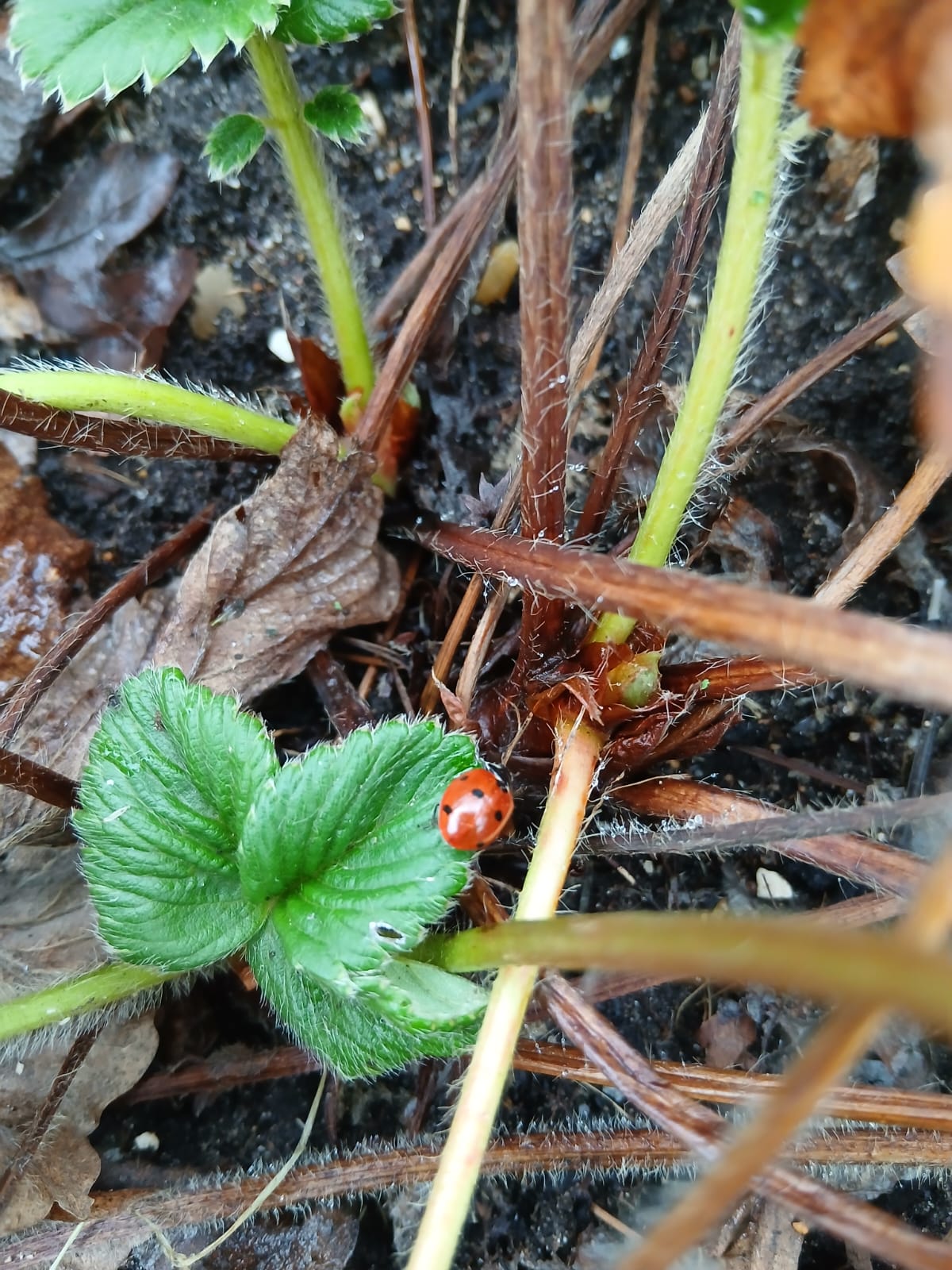
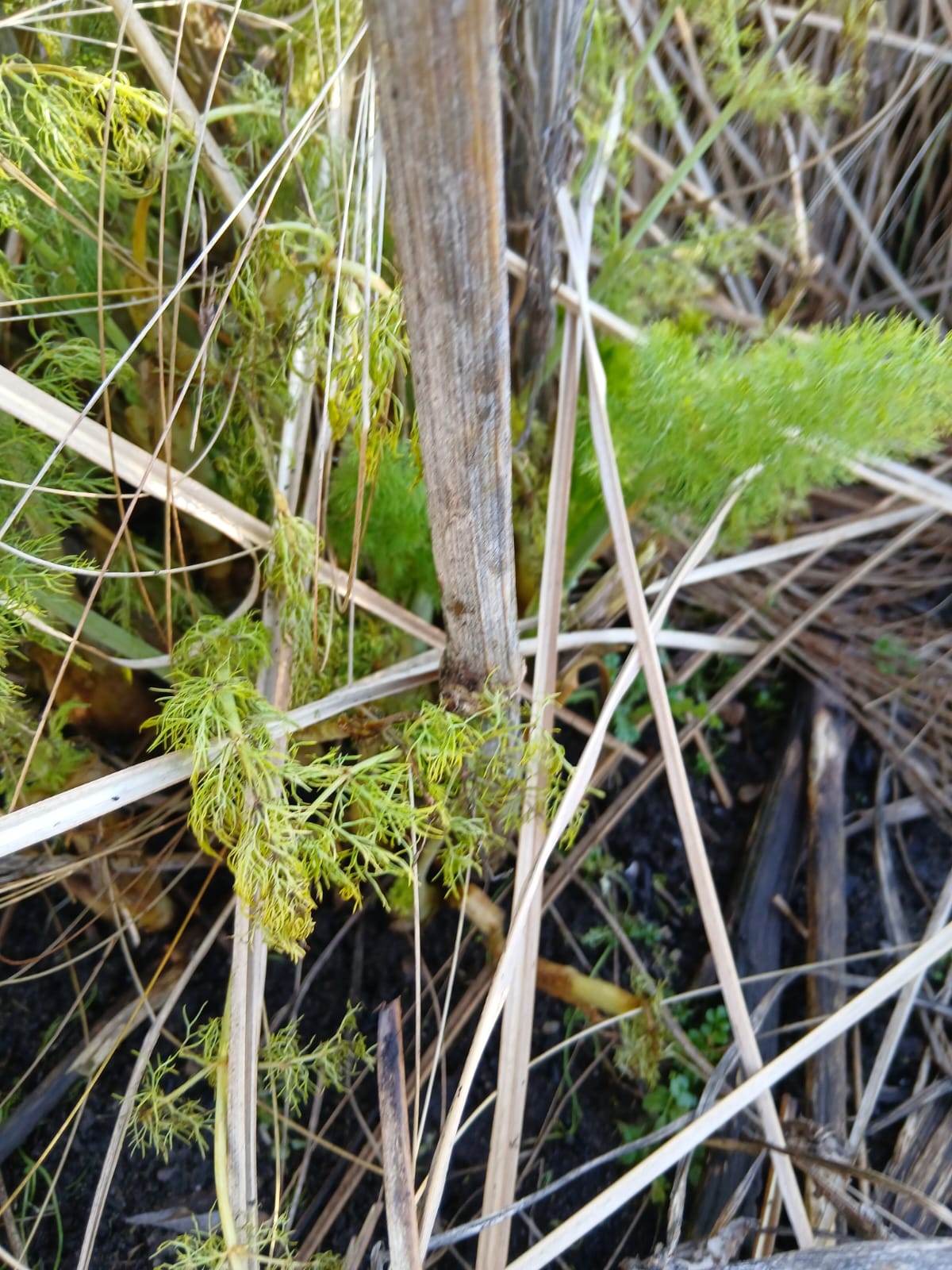
Making Space for New Life – In the Garden and Within Ourselves
As winter slowly begins to loosen its grip, subtle signs of change are appearing throughout the garden.
What once looked still and quiet is gently stirring back to life.
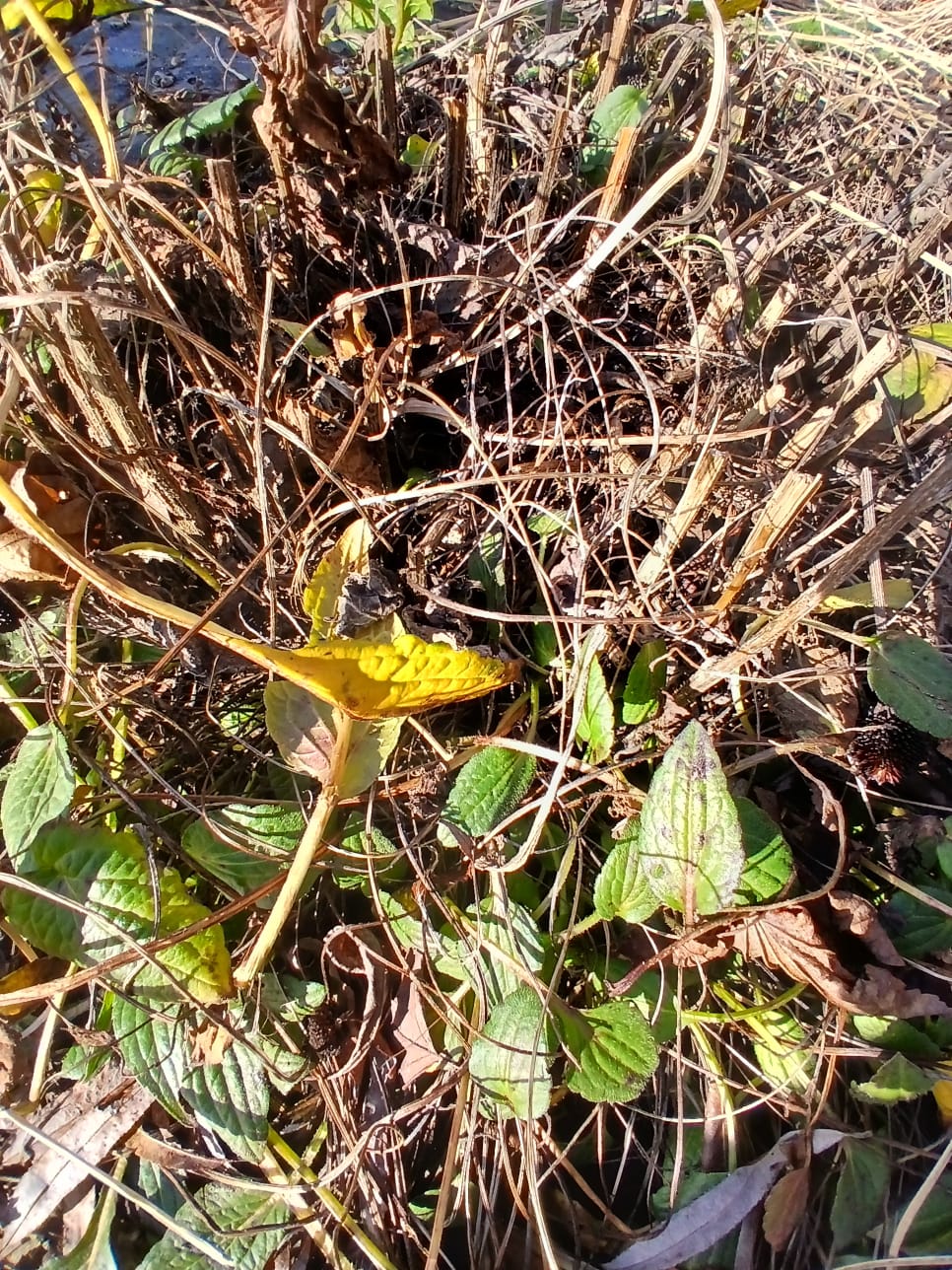
Our work has recently turned to the herbaceous beds, where faded stems and delicate seed heads have stood patiently through the colder months. While they may have appeared dormant, these remnants of last year’s growth have been quietly serving an important purpose, providing food, shelter, and protection for birds, insects, and other wildlife during the harshest part of the year.
Leaving them in place is always intentional. Nature, after all, understands the importance of rest.
But now, despite the lingering chill in the air, the first fresh shoots are beginning to emerge from the soil, small yet powerful reminders that renewal is already underway. With this new growth comes the gentle signal that it is time for us to step forward and prepare the beds for the season ahead.
Cutting back last year’s growth allows light and space for new plants to flourish. Beneath the surface, roots are strengthening, energy is building, and the garden is quietly preparing for the colour and vitality that spring will bring.
True to the garden’s natural philosophy, nothing is wasted in this process. Some of the cut stems are laid carefully back onto the soil, where they will slowly break down, enriching the earth while continuing to support the tiny ecosystems that depend on it. The remaining stems are added to our compost, transforming over time into nutrient-rich material that will feed future growth later in the year.
It is the most beautiful cycle, growth, rest, renewal, and growth again.
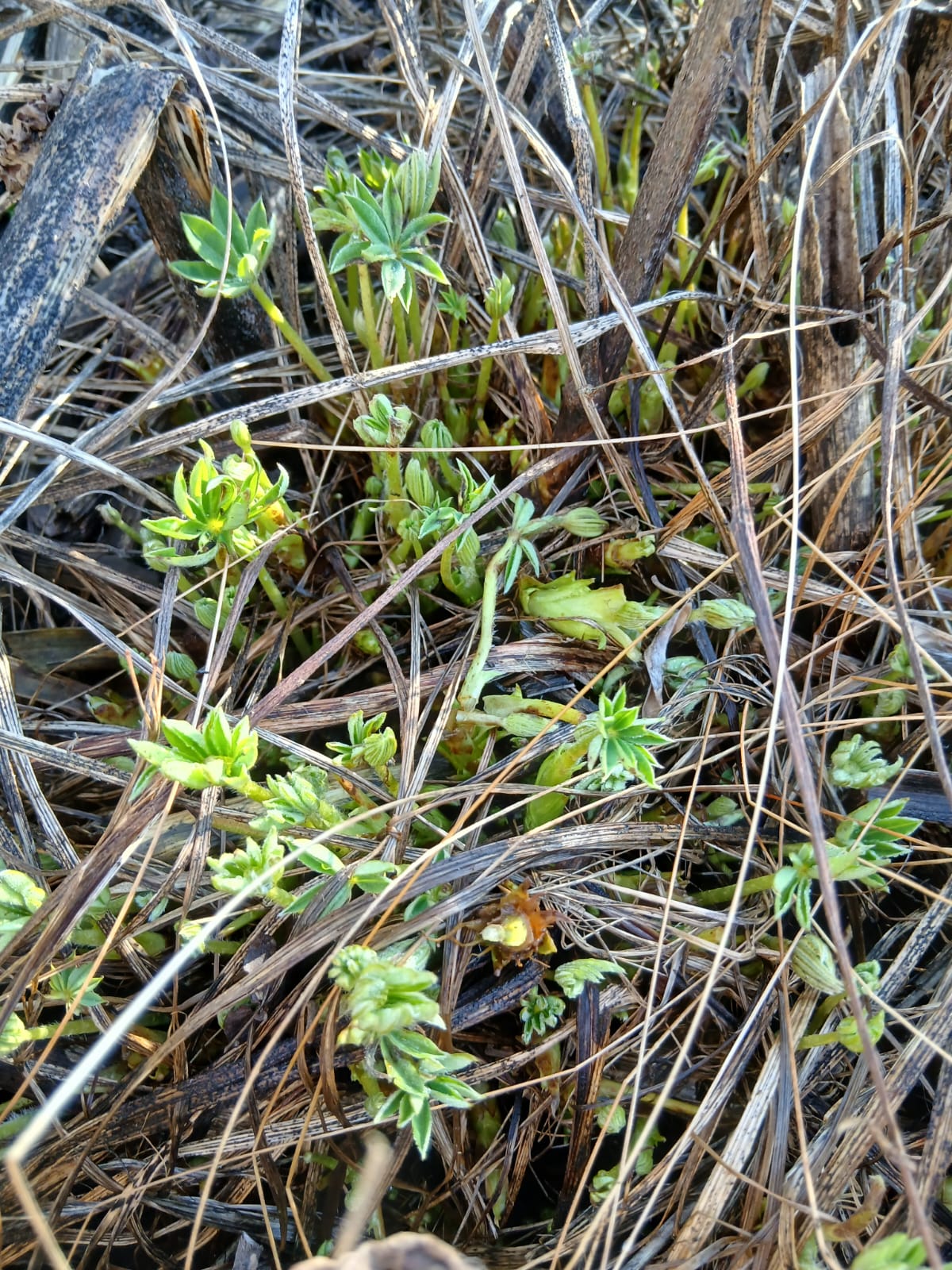
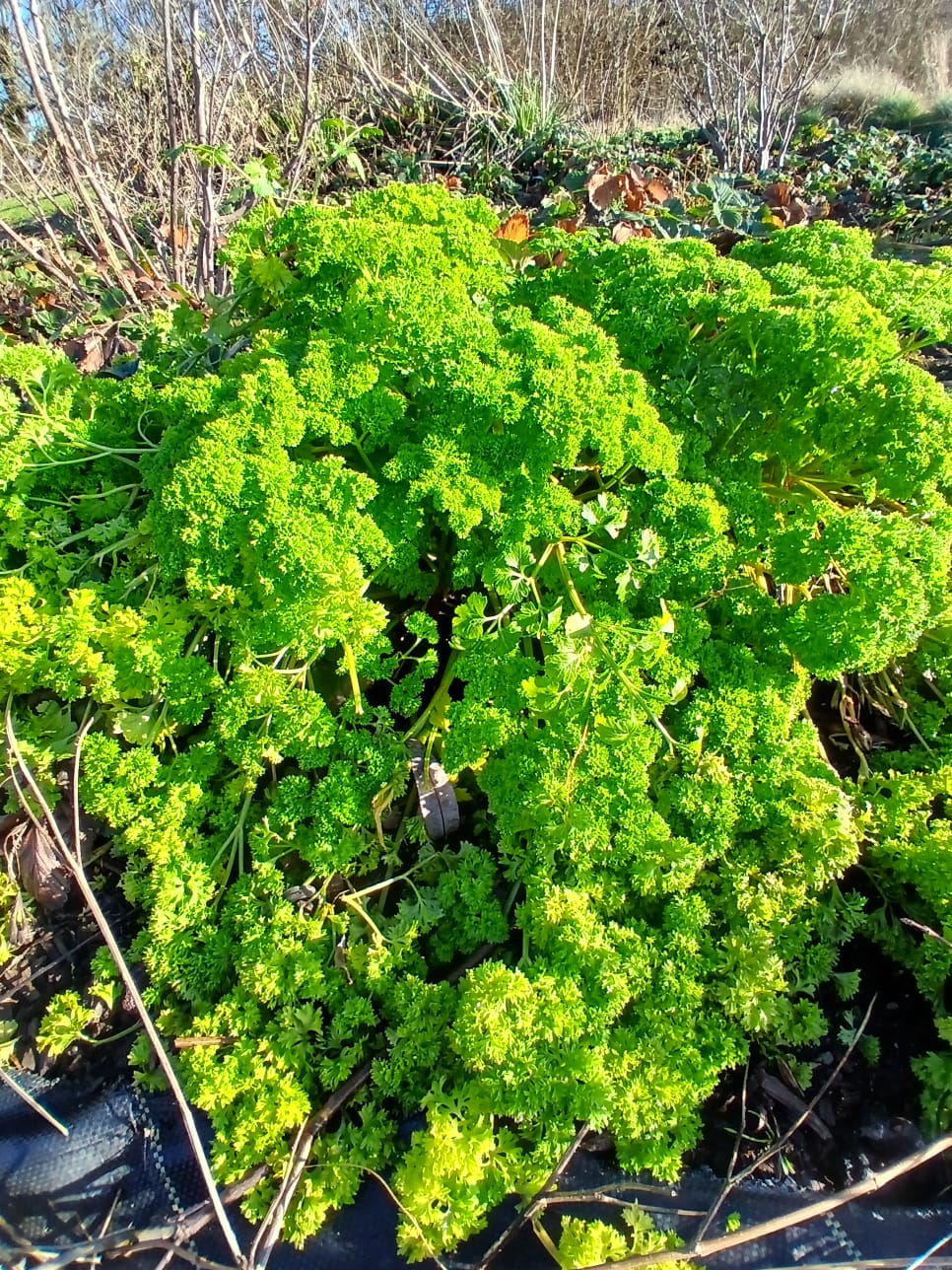
Why Memorial Gardens Matter for Healing
Working in the garden at this time of year always invites a moment of pause.
There is something deeply comforting about witnessing nature’s resilience, the way life returns quietly and without urgency, even after the longest winters.
For many who visit the garden, especially those navigating grief, this rhythm can feel profoundly reassuring.
Grief, much like winter, can make the world feel still. Heavy. Suspended.
And yet, just as the garden shows us year after year, new growth does come. Not suddenly, not forcefully, but gently, in its own time.
You might not notice it at first.
A slightly lighter morning.
A deeper breath.
A moment of calm where yesterday felt overwhelming.
The garden offers space for those moments.
Here, there is no expectation to feel a certain way. Visitors are free to walk, sit, reflect, or simply be, held quietly by nature. The rustle of grasses, birdsong overhead, and the steady turning of the seasons remind us that healing does not have a timetable.
Just as we clear away what has faded to make room for what is to come, the garden softly reassures us that it is possible to carry memories forward while still allowing space for new light.
Every stem we cut back is not an ending, but an act of faith in what will grow next.
Over the years, the garden has grown into a recognised space within the community, even being featured by the BBC for the comfort and connection it offers visitors.
Supporting Wildlife Through the Seasons
Wildlife-friendly gardening is at the heart of everything we do.
By leaving seed heads throughout winter and composting plant material back into the soil, we actively support biodiversity and help maintain a thriving, balanced ecosystem within the garden.
These small, thoughtful actions ensure the garden remains not only a sanctuary for people, but a safe haven for birds, pollinators, and countless beneficial insects.
As the seasons turn, this interconnected care allows the garden to flourish naturally, creating a space rich in life, colour, and gentle movement.
Looking Ahead to Spring
With every bed we tend, we are preparing not only for spring blooms but for the many people who will seek comfort here in the months ahead.
The garden is, and always will be, a place of peace, somewhere to breathe, remember, and reconnect.
And if you look closely as you walk through, you’ll already see it beginning… tiny green shoots pushing bravely through the soil, reaching toward brighter days.
🌿 Take a slow moment today: Whether it’s a walk through a garden, a pause beneath a tree, or simply noticing the first signs of spring, nature gently reminds us that renewal is always possible.
Frequently Asked Questions
Why do gardeners leave stems and seed heads over winter?
Leaving stems and seed heads provides essential shelter for insects and food for birds when natural resources are limited. This simple practice supports biodiversity and helps gardens remain healthy ecosystems year-round.
When should herbaceous plants be cut back?
Most herbaceous plants are best cut back in late winter or early spring, just as new growth begins to appear. This timing protects wildlife while ensuring plants have the space and light they need to thrive.
How do memorial gardens support people who are grieving?
Memorial gardens offer a calm, natural environment where visitors can reflect without expectation. Seasonal change, birdsong, and surrounding plant life can provide comfort and gentle reassurance during difficult times.
Can spending time in nature really help emotional wellbeing?
Research consistently shows that time spent in green spaces can reduce stress, improve mood, and encourage mindfulness. Gardens designed for quiet reflection can be especially supportive for those navigating loss.
🤍 Support the Garden
At the heart of the Children’s Memorial Garden is a simple promise, to offer a special place to be with your child, say their name, and remember their love.
Every stem we tend, every habitat we protect, and every space we nurture is part of that promise.
If this garden speaks to you, there are many ways you can help it continue to grow.
The care of this space is ongoing, and every season brings new work to help the garden thrive for both wildlife and the community it serves.
If you feel connected to what we are creating here, there are many ways you can support the garden:
- Visit and spend a quiet moment among the beds
- Share the garden with someone who may need its peace
- Volunteer your time
- Follow our journey
- Or consider making a donation to help us continue nurturing this special place
Together, we can ensure the garden remains a sanctuary for reflection, healing, and gentle hope, for this season and for many more to come.