The Children’s Memorial Gardens Blog / News
The Children’s Memorial Gardens Blog / News
The Children’s Memorial Gardens Blog / News
RSPB Big Garden Birdwatch: Welcoming Birds into Our Garden Biodiversity
23–25 January
Each winter, gardens across the UK come alive with fluttering wings and familiar calls as people take part in the RSPB Big Garden Birdwatch. Running from 23–25 January, this annual event is the world’s largest garden wildlife survey and plays a vital role in helping conservationists understand how our garden birds are faring.
Here in the garden, birds are a cherished part of our ecosystem all year round. From cheerful robins to flocks of finches, we work carefully with nature to ensure our space remains a safe, nourishing habitat, especially during the colder months when food and water can be harder to find.
Why Garden Birds Matter
Birds are essential to garden biodiversity. They help control pests, spread seeds, and are sensitive indicators of environmental change. By supporting them in our gardens, we’re contributing to a much wider network of habitats that wildlife depends on.
The Big Garden Birdwatch is a simple but powerful way for everyone to get involved, all it takes is one hour watching and counting the birds you see.
How We Support Birds in Our Garden
We take a holistic approach to bird care, focusing on food, water, shelter, and safety:
🌱 Food Sources
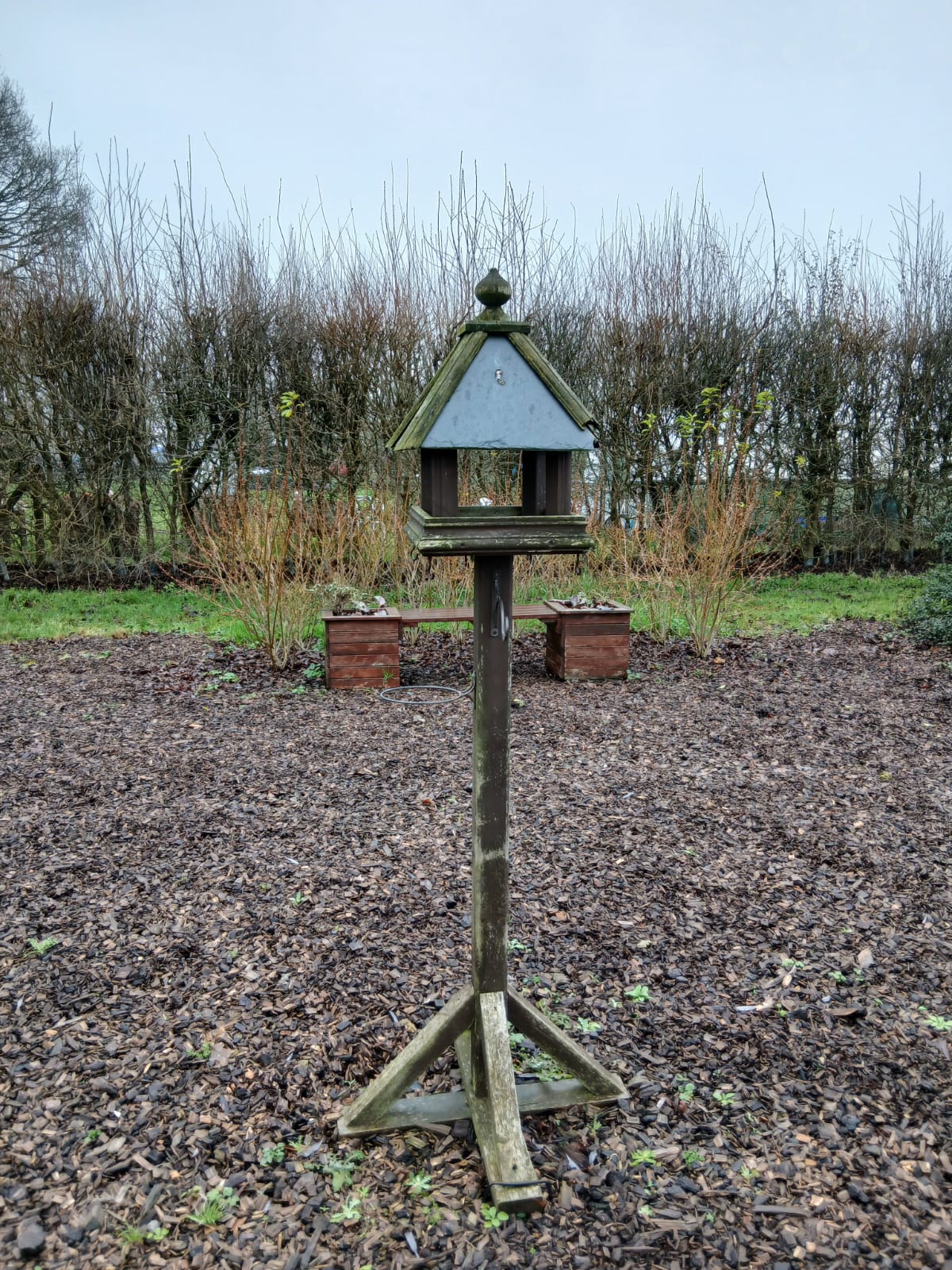
- A bird table provides supplementary food during winter
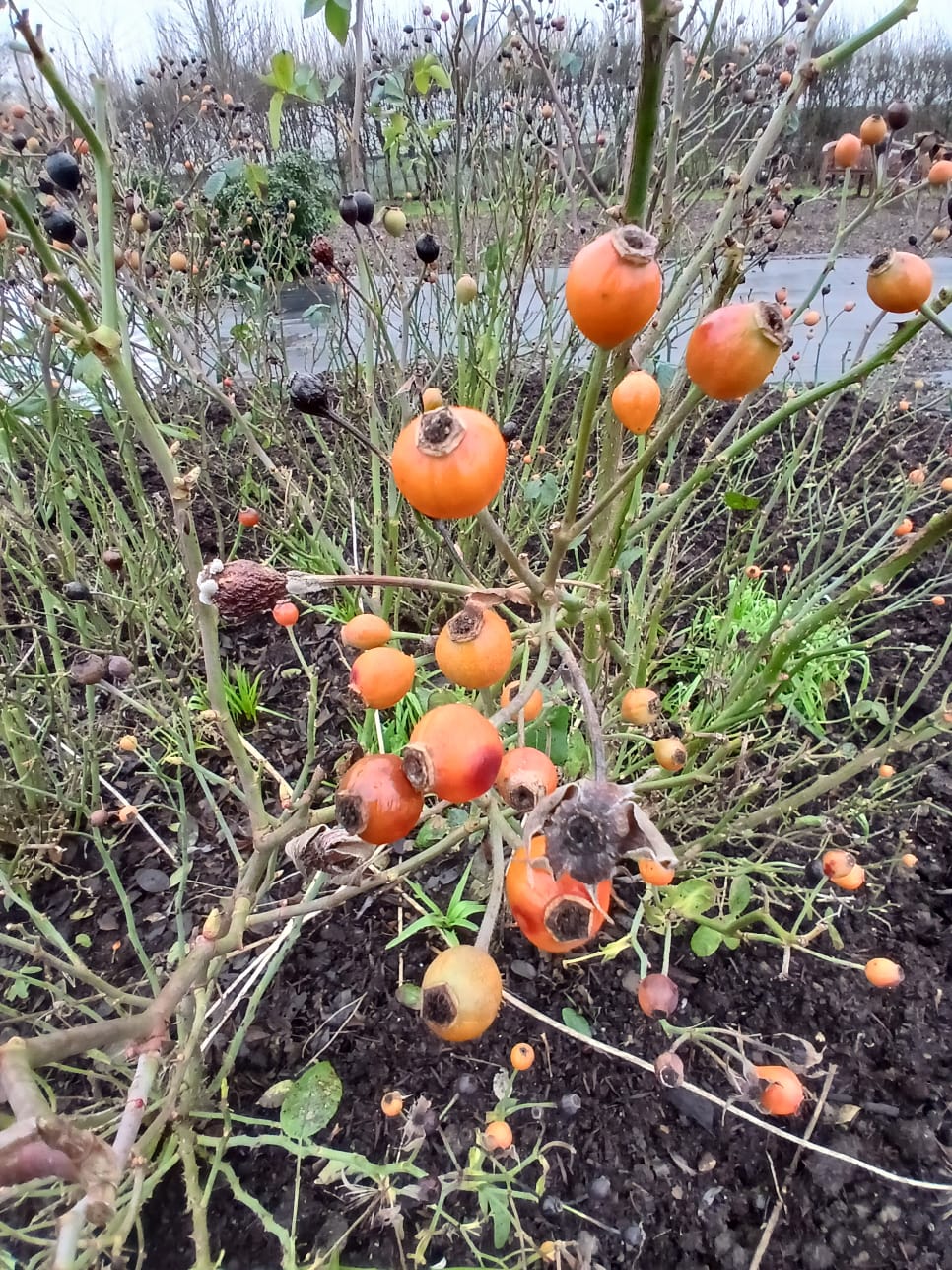
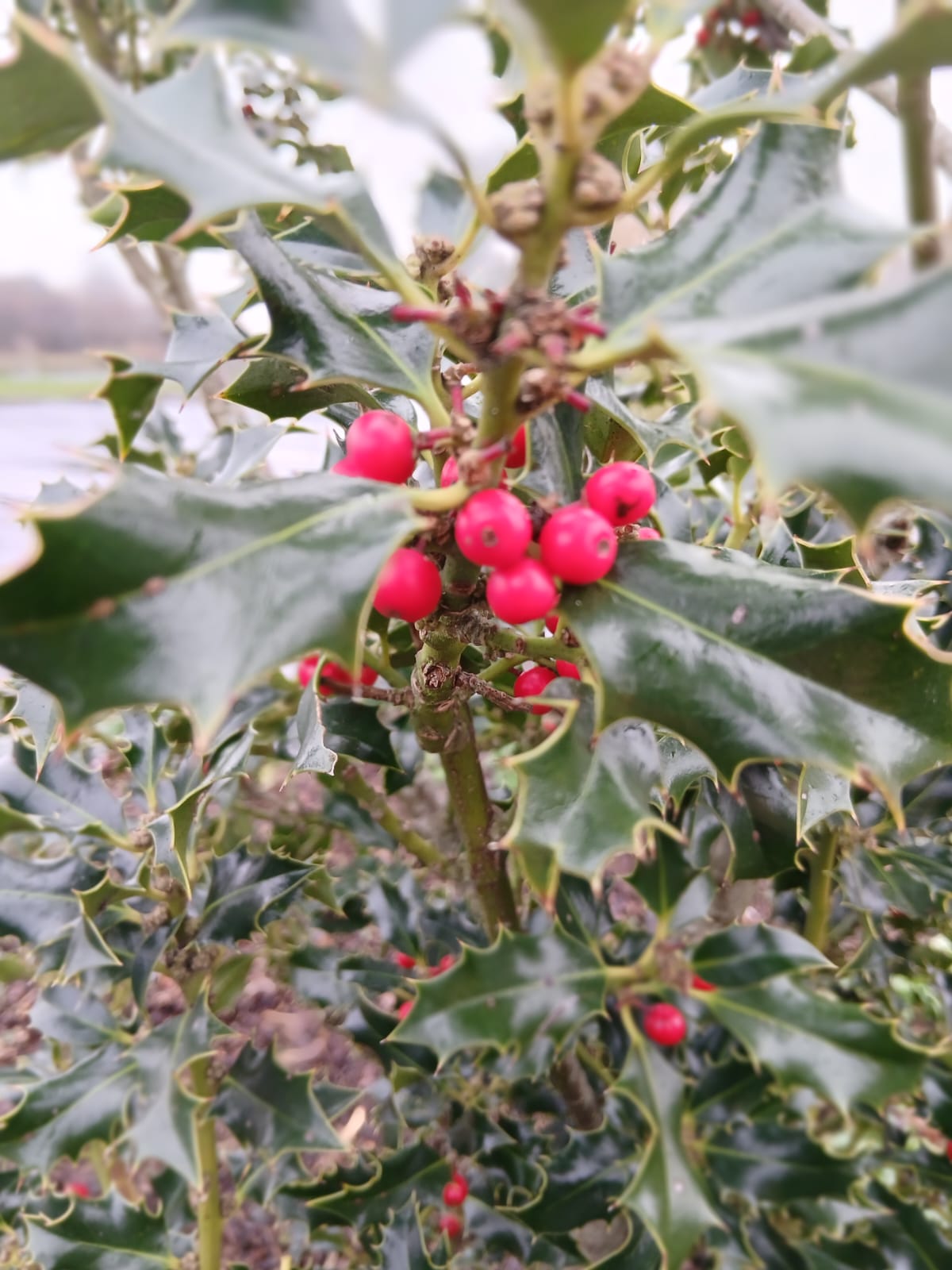
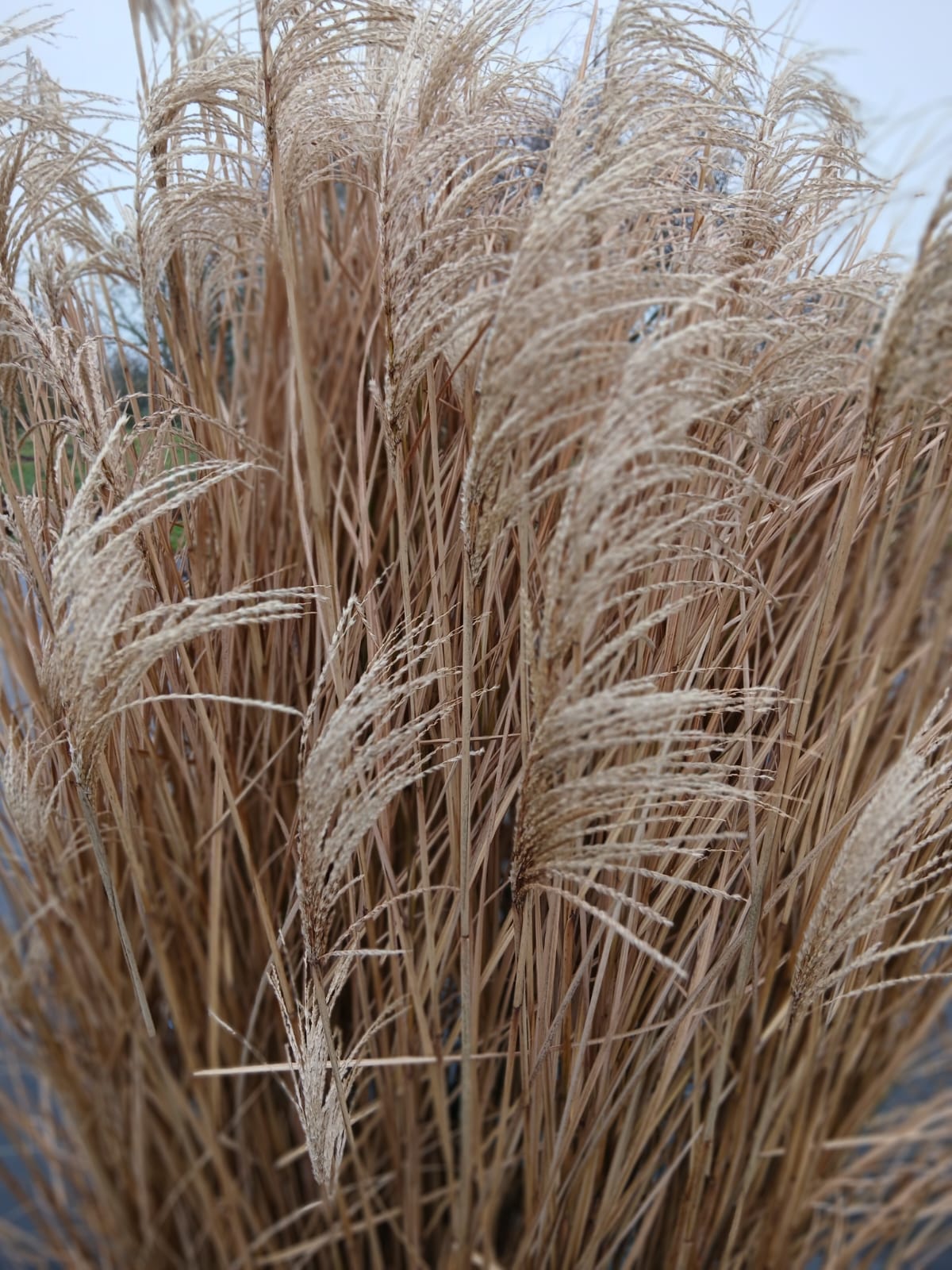
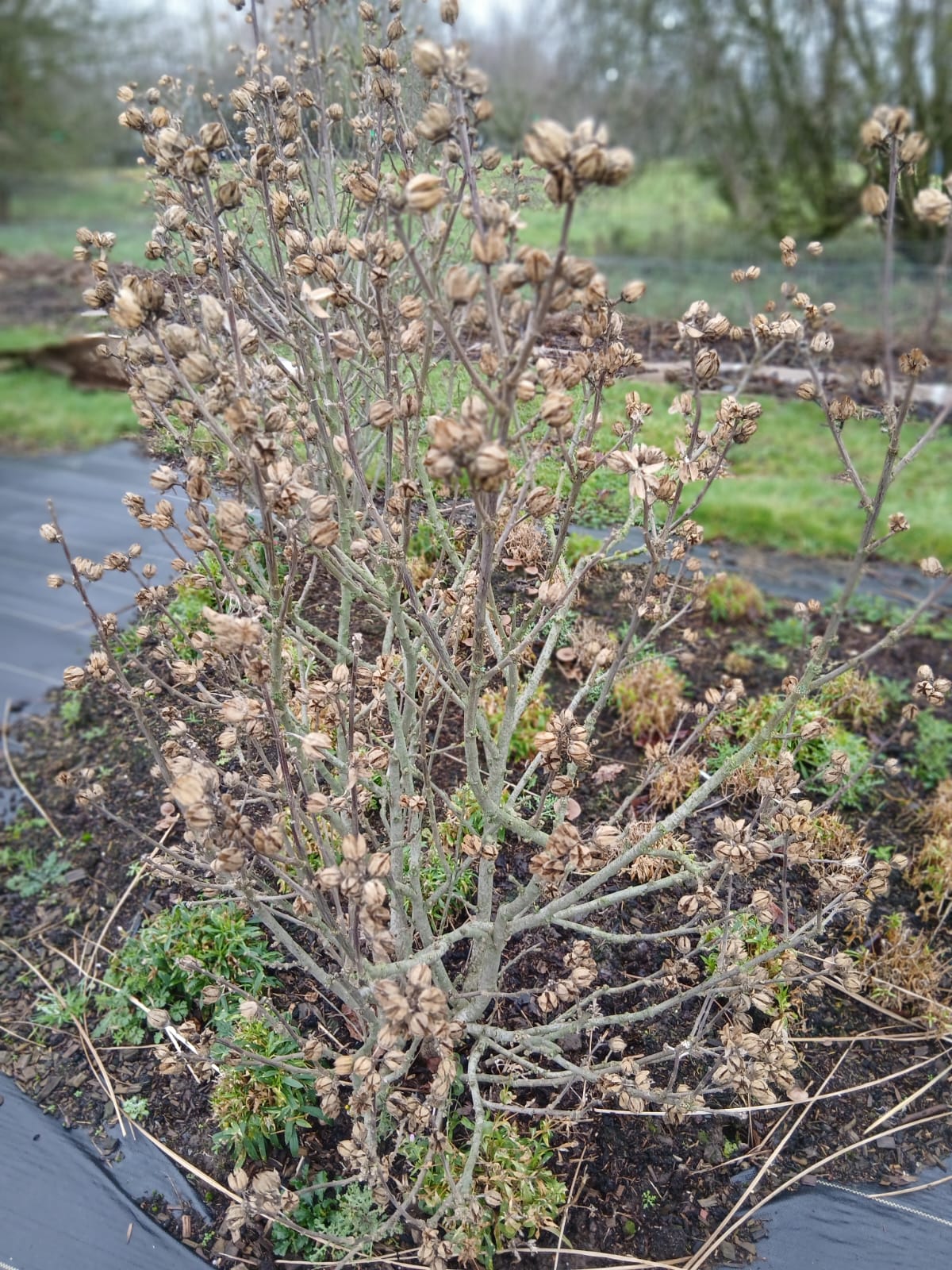
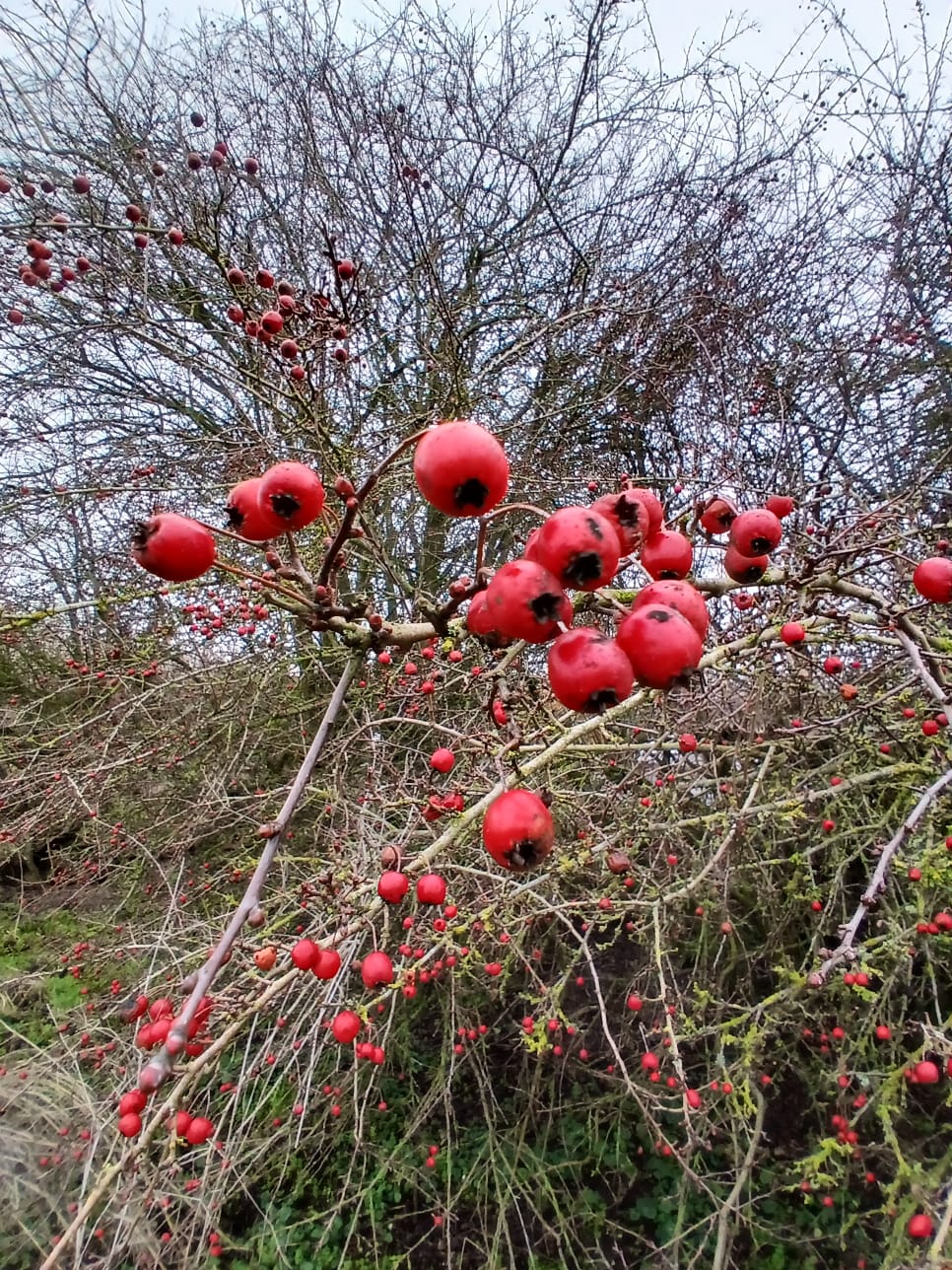
- Natural food from plants, including rosehips, holly berries, hawthorn haws, and seeds from grasses and perennial plants
💧 Water
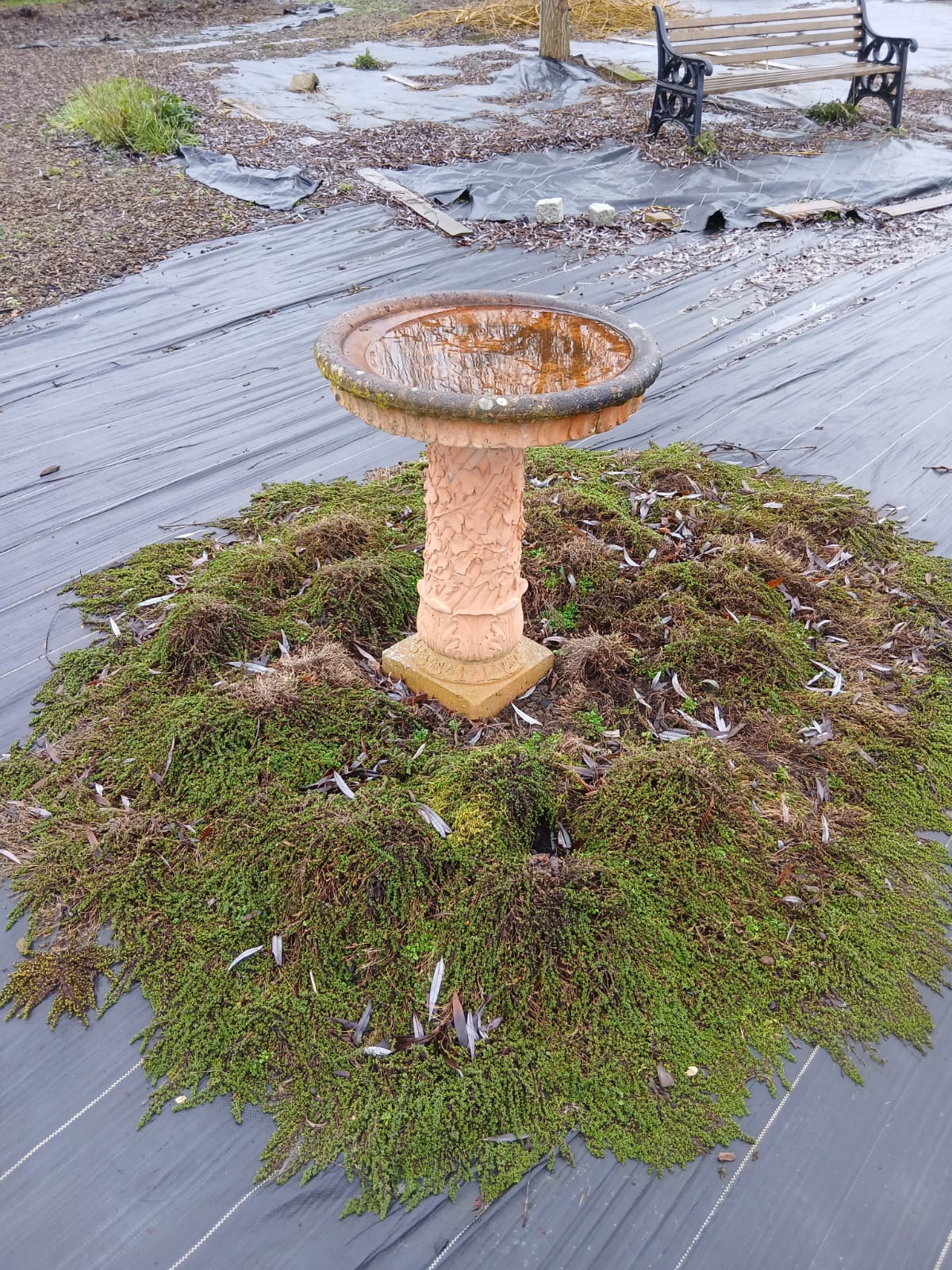
- A bird bath offers a vital place for birds to drink and bathe, particularly when ponds and puddles freeze
🏡 Nesting & Shelter
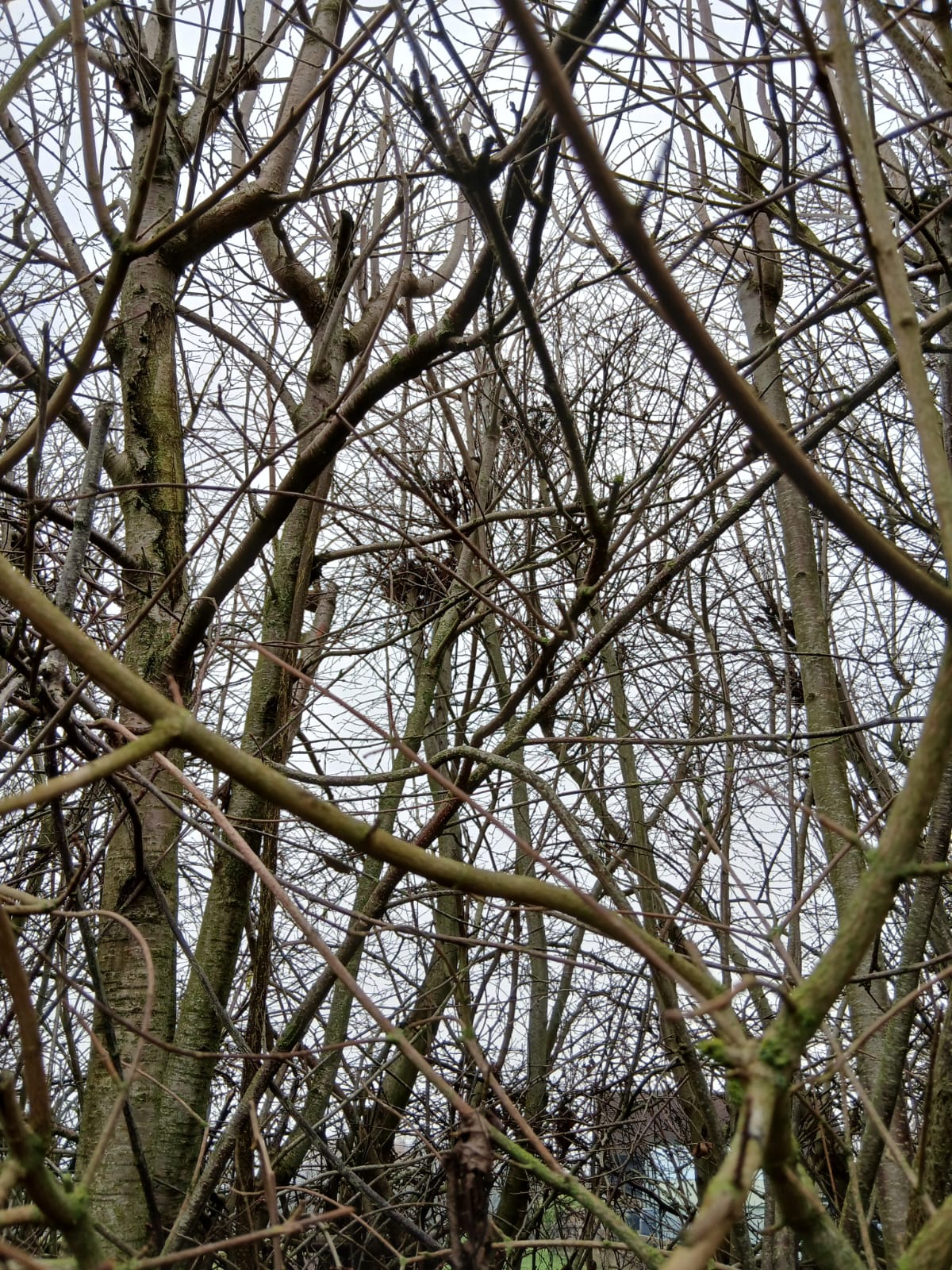
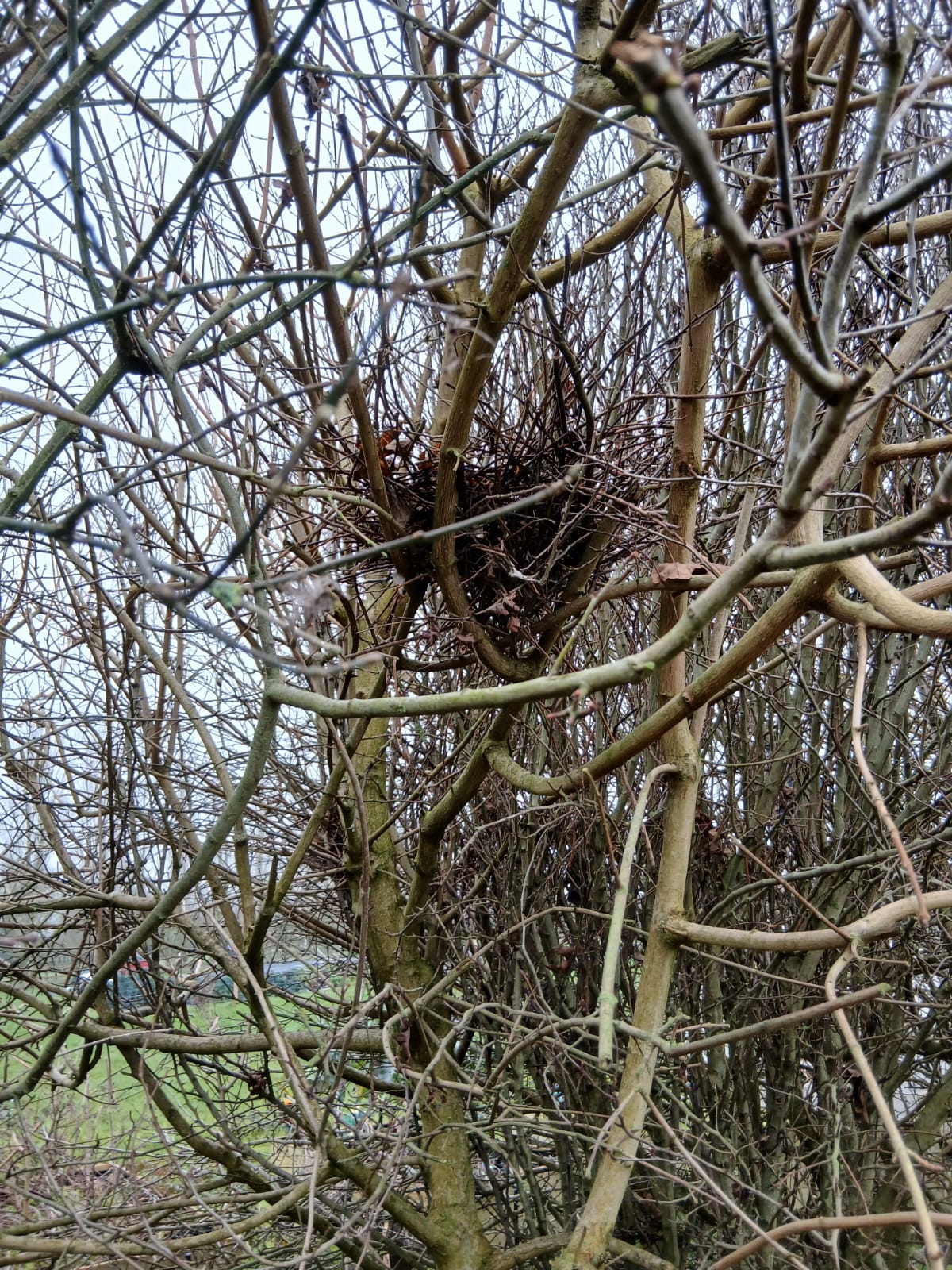
- Nesting sites and materials are found throughout the garden, including grasses and our native tree hedge
- The surrounding hedge also provides valuable cover from larger predators, such as birds of prey
🌿 Habitat
- A diverse garden structure, hedges, trees, meadow areas and orchard spaces, create a safe, layered habitat that birds can rely on throughout the year
A Familiar Friend in the Orchard
As we’ve continued winter pruning in the orchard, we’ve been joined by one of our most beloved garden visitors, a robin, quietly accompanying us as we work. Often called “the gardener’s friend”, robins are well known for following gardeners closely, watching for any worms or insects disturbed by digging.
Their presence is a lovely reminder of the close relationship between careful land management and wildlife, and a small moment of connection that brings joy even on the coldest days.
How You Can Take Part in the Big Garden Birdwatch
Taking part is easy and open to everyone:
- Choose one hour between 23–25 January
- Watch the birds in your garden, balcony, or local green space
- Record the highest number of each species you see at one time
- Submit your results to the RSPB
Every count helps build a clearer picture of how birds are doing across the UK.
Frequently Asked Questions: RSPB Big Garden Birdwatch
What is the RSPB Big Garden Birdwatch?
The RSPB Big Garden Birdwatch is the world’s largest garden wildlife survey. It takes place every January and invites people across the UK to spend one hour counting the birds they see in their garden or local green space. The results help conservationists understand how bird populations are changing over time.
When is the Big Garden Birdwatch in 2026?
The Big Garden Birdwatch takes place from 23–25 January. You can choose any one hour during these dates to carry out your bird count.
Why is the Big Garden Birdwatch important?
Garden birds are under increasing pressure due to habitat loss, climate change, and changes in food availability. The Big Garden Birdwatch provides vital data that helps identify which species are declining and where conservation efforts are most needed.
Do I need a garden to take part?
No. You can take part from a garden, balcony, allotment, local park, or green space. Even small outdoor areas can attract birds, especially in winter when food and water are scarce.
How can I encourage more birds into my garden?
Birds are attracted to gardens that offer:
- Reliable food sources, such as bird tables and berry-producing plants
- Clean water for drinking and bathing
- Shelter and nesting opportunities, including hedges, trees, and long grasses
- A safe environment with cover from predators
Creating a varied, wildlife-friendly garden benefits birds throughout the year.
What birds am I most likely to see during the Big Garden Birdwatch?
Common winter garden birds include robins, blackbirds, blue tits, great tits, house sparrows, starlings, and finches. You may also spot less frequent visitors depending on your location and habitat.
Why do robins follow gardeners?
Robins are highly intelligent and opportunistic birds. Over time, they have learned to associate human activity in gardens with easy access to food, particularly insects and worms brought to the surface during digging or pruning. Their bold behaviour and curiosity have made them one of the UK’s most recognisable and much-loved garden birds.
The Quiet Support of Nature
Beyond the data and bird counts, there is also something quieter and more personal that this annual moment invites us into.
There is something deeply comforting about paying attention to the small, steady lives around us. Watching birds feed, bathe, and flit through the hedgerows reminds us that even in winter, life continues to move gently forward. Nature doesn’t rush, doesn’t demand, and doesn’t ask us to be anything other than present.
Taking part in the RSPB Big Garden Birdwatch becomes more than a survey, it’s a pause. A moment to breathe, to feel held by the rhythms of the natural world, and to reconnect with something steady when everything else feels loud or uncertain. In caring for birds, we often find we are quietly caring for ourselves too.
By creating welcoming spaces for birds and taking part in initiatives like the RSPB Big Garden Birdwatch, we’re not only supporting wildlife, we’re nurturing deeper connections with the natural world around us.
If you’d like to learn more about what we’re growing, pruning, and protecting in the garden, keep an eye on our latest blog updates 🌱✨