The Children’s Memorial Gardens Blog / News
The Children’s Memorial Gardens Blog / News
The Children’s Memorial Gardens Blog / News
Winter Orchard Work Explained: Coppicing Hazel Trees & Pruning Apple and Pear Trees
Supporting wildlife, sustainability, and healthier trees through the winter months
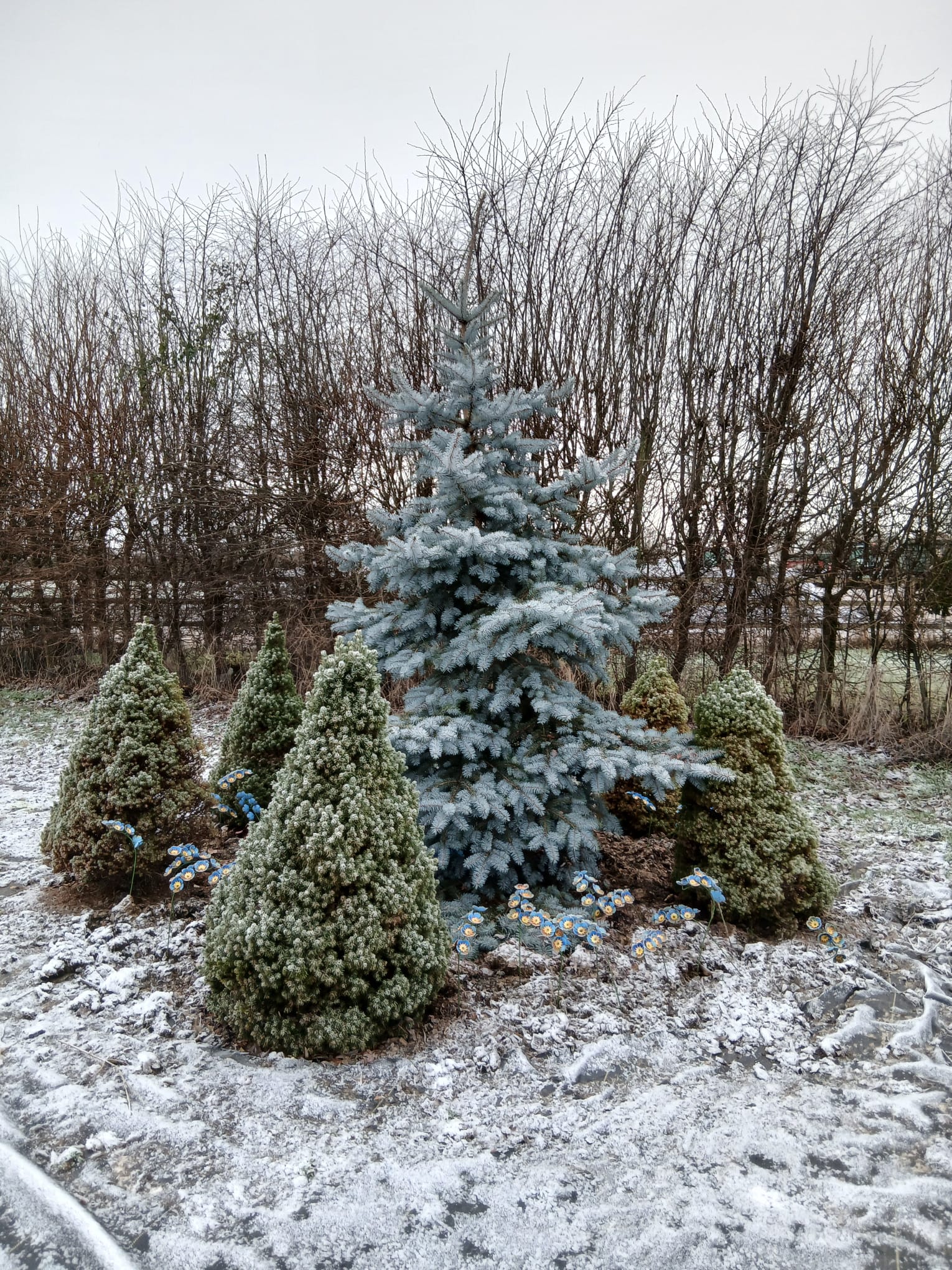
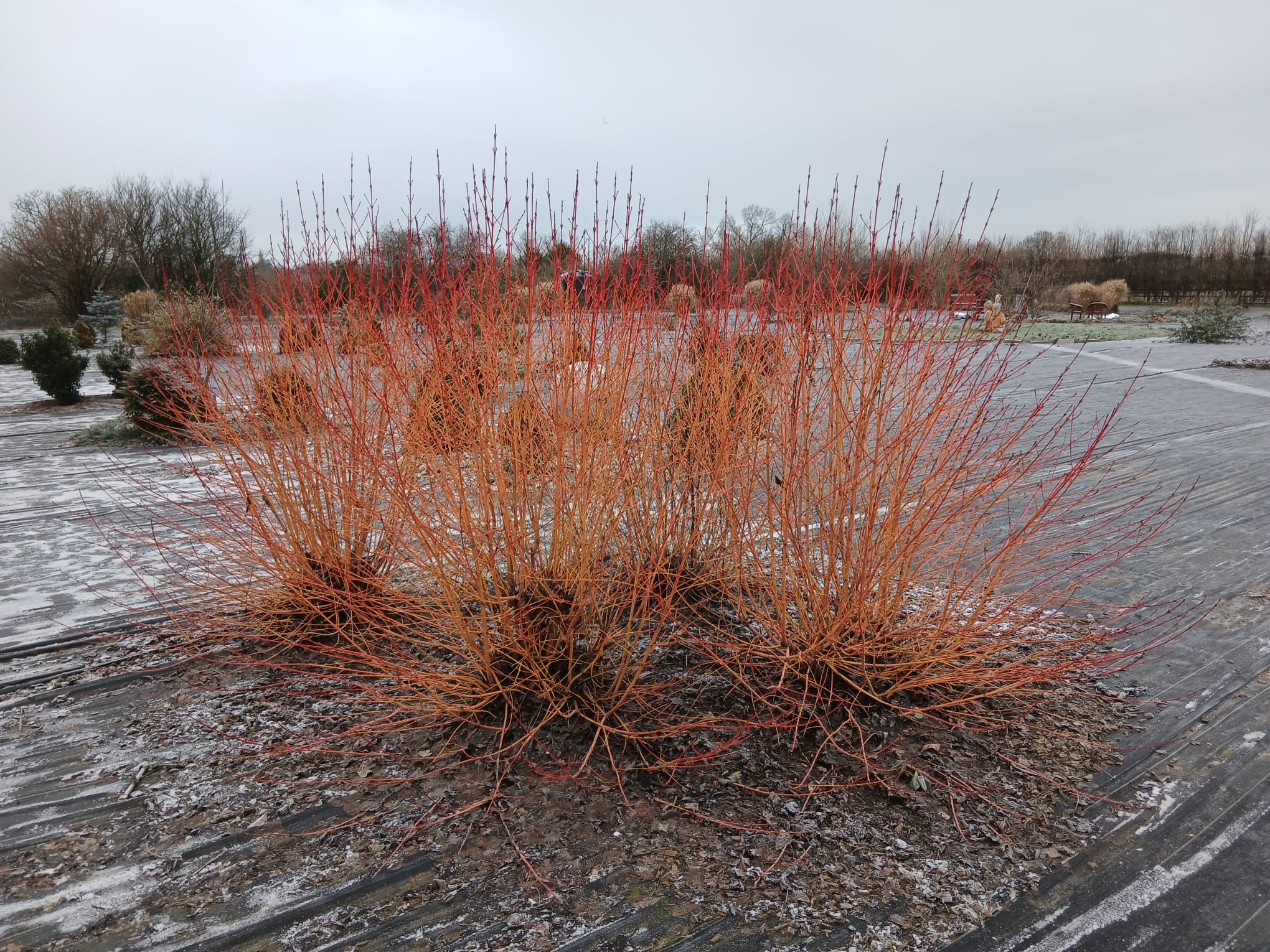
January is traditionally a time to “do nothing for nature”, and across most of the gardens we allow plants and borders to rest undisturbed. Leaving areas untouched over winter provides vital food and shelter for birds and beneficial insects when resources are scarce.
However, while much of the garden remains quiet, the orchard is where careful and essential winter work takes place, laying the foundations for healthy growth, blossom, and fruit later in the year.
In winter, orchard work focuses on tree health and wildlife support. Tasks such as coppicing hazel trees and pruning apple and pear trees improve airflow, encourage strong regrowth, and prepare the orchard for spring, while leaving borders untouched protects birds and insects over colder months.
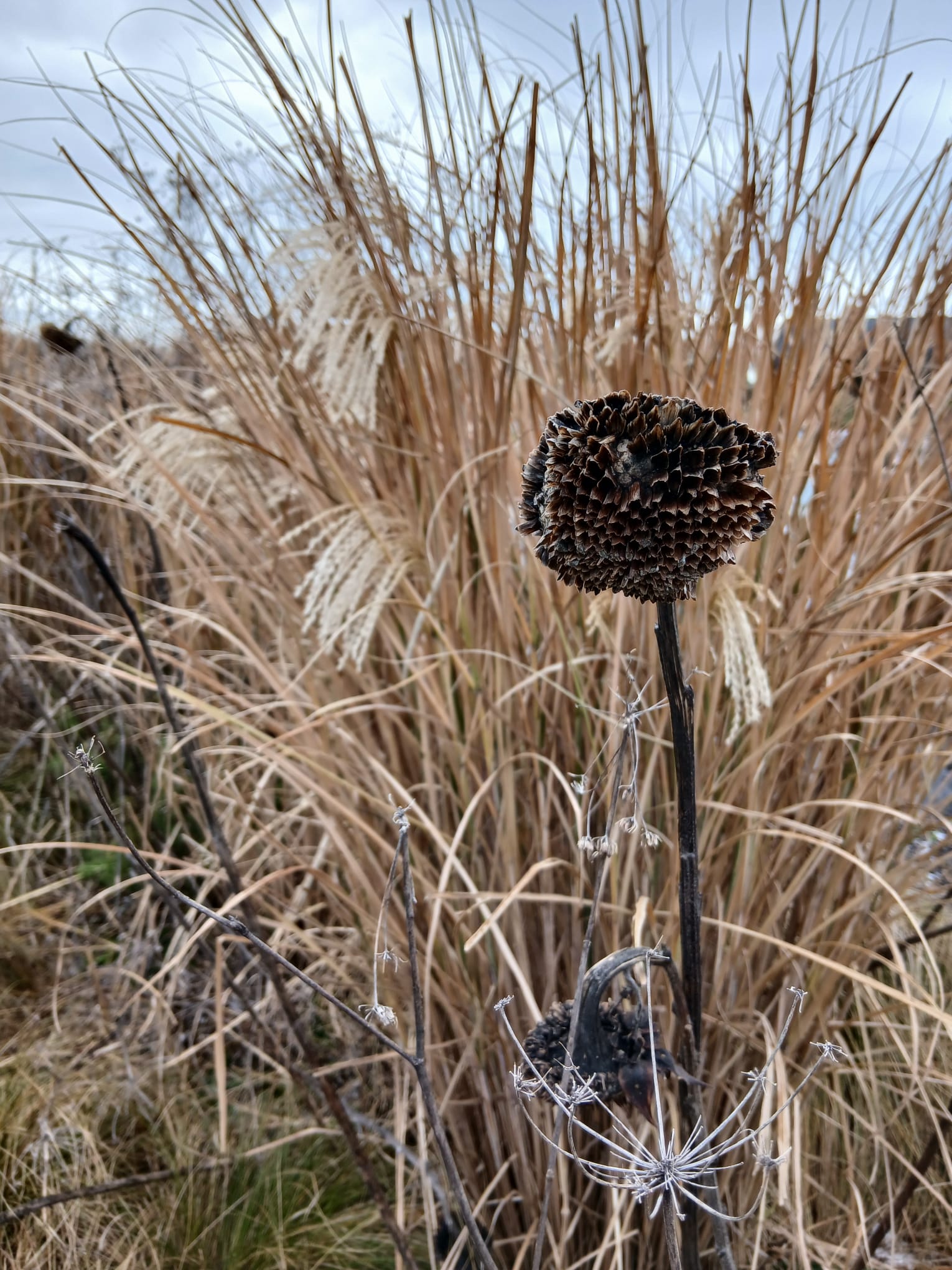
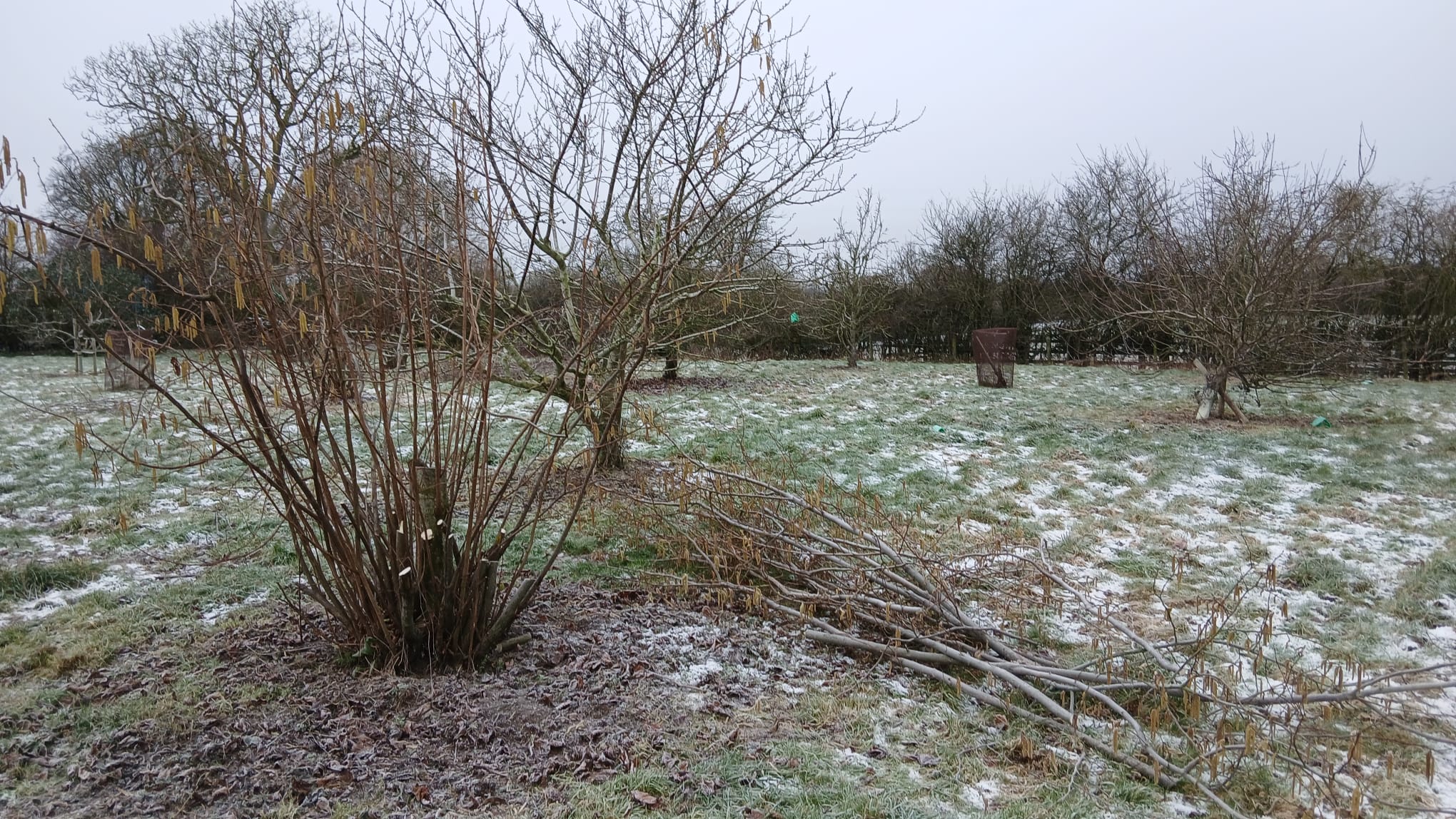
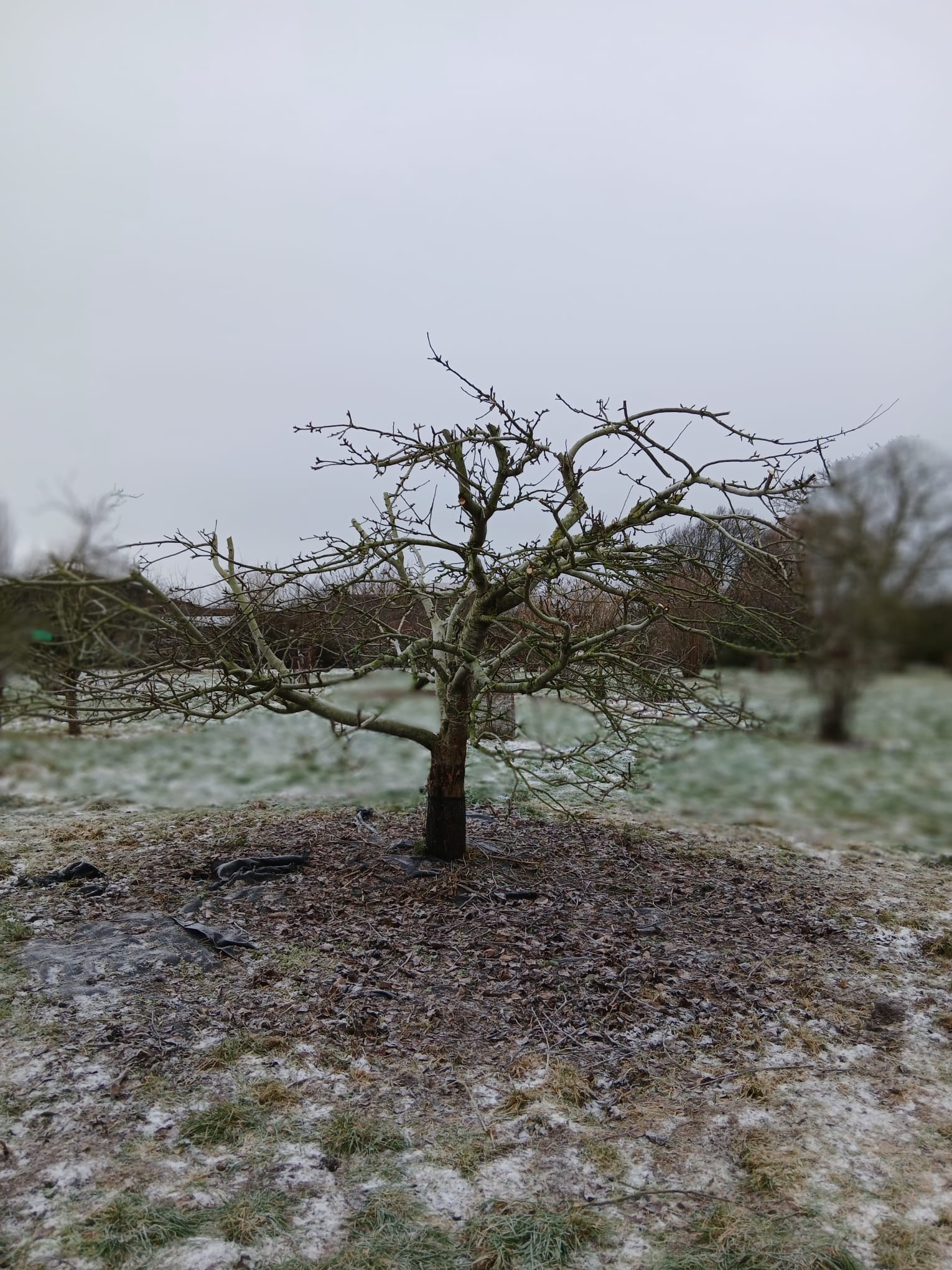
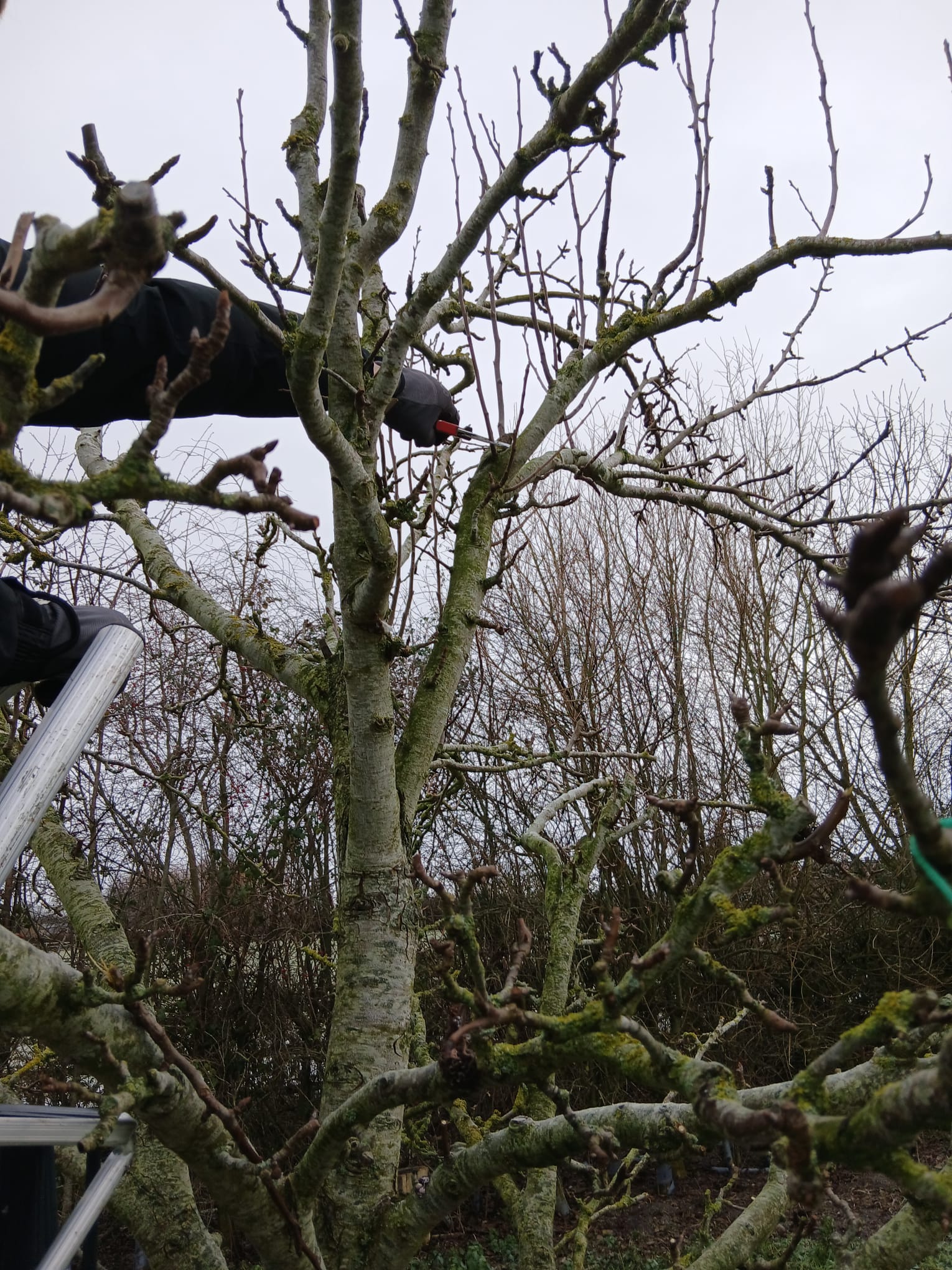
Winter Work in Our Orchard
Our orchard includes a variety of fruit and nut trees, including apple, pear, hazel, and walnut. Winter is the ideal season to carry out essential orchard maintenance because the trees are dormant, allowing work to be done with minimal stress and maximum long-term benefit.
What Is Coppicing? Why We Coppice Hazel Trees in Winter
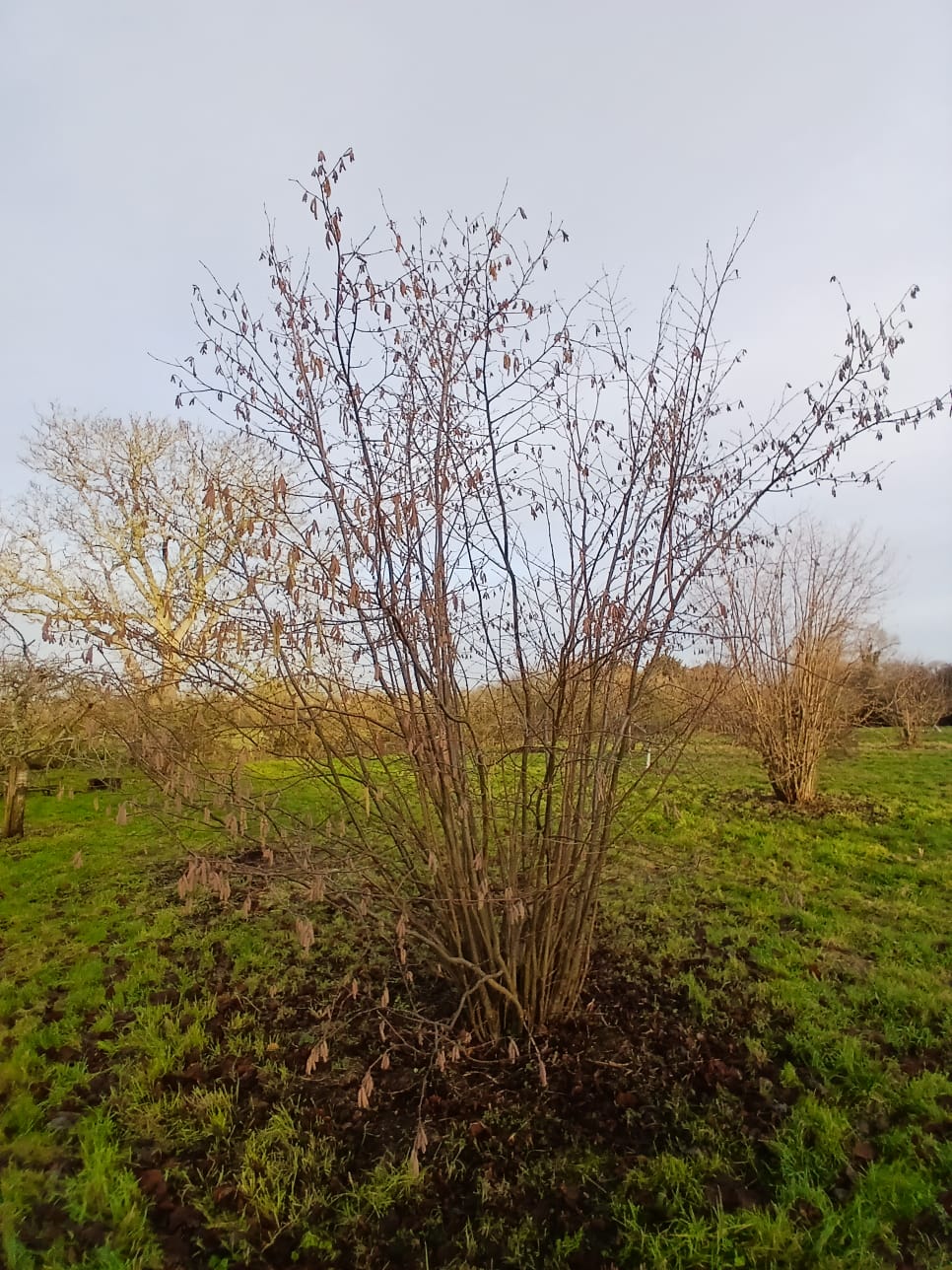
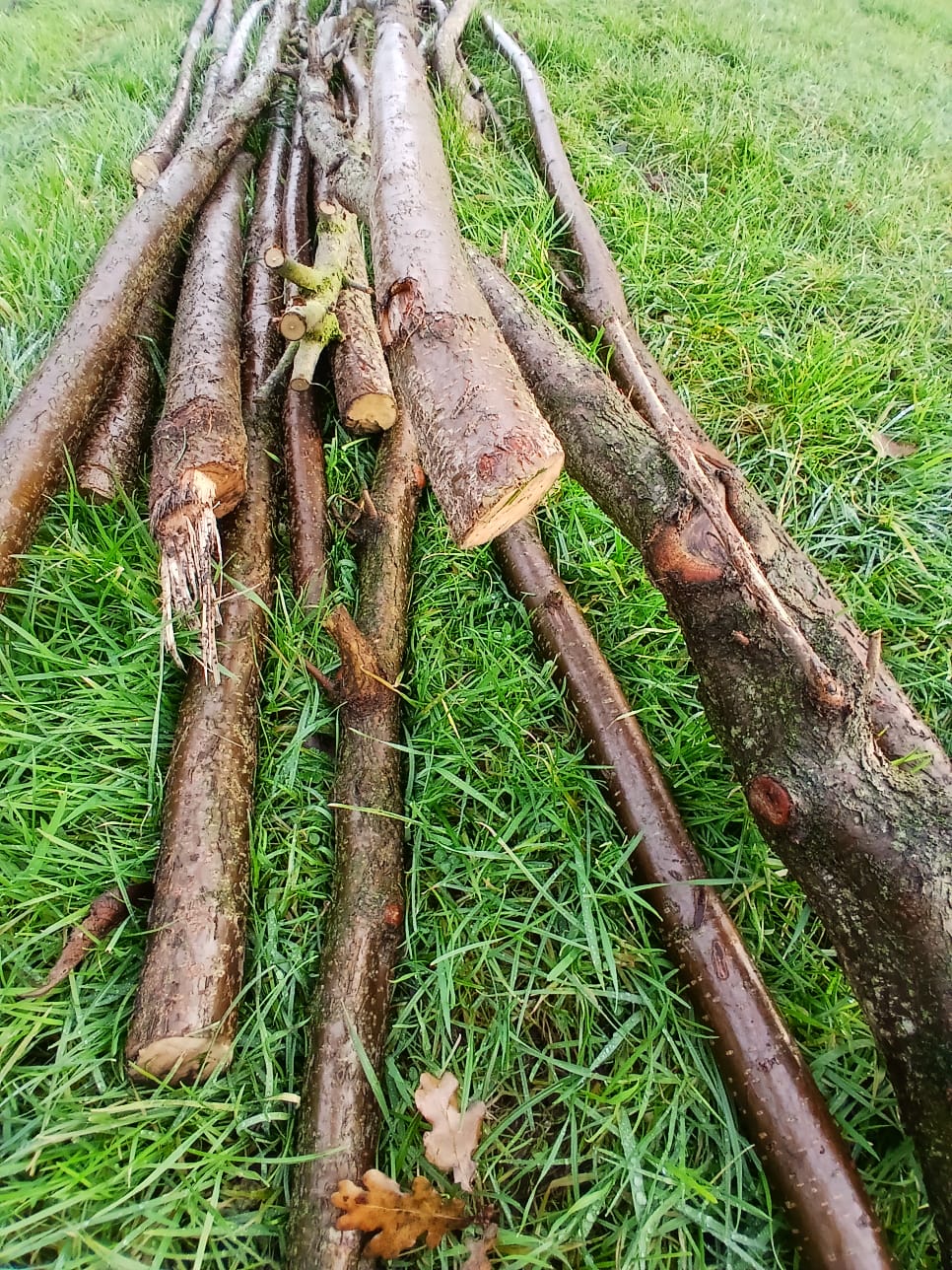
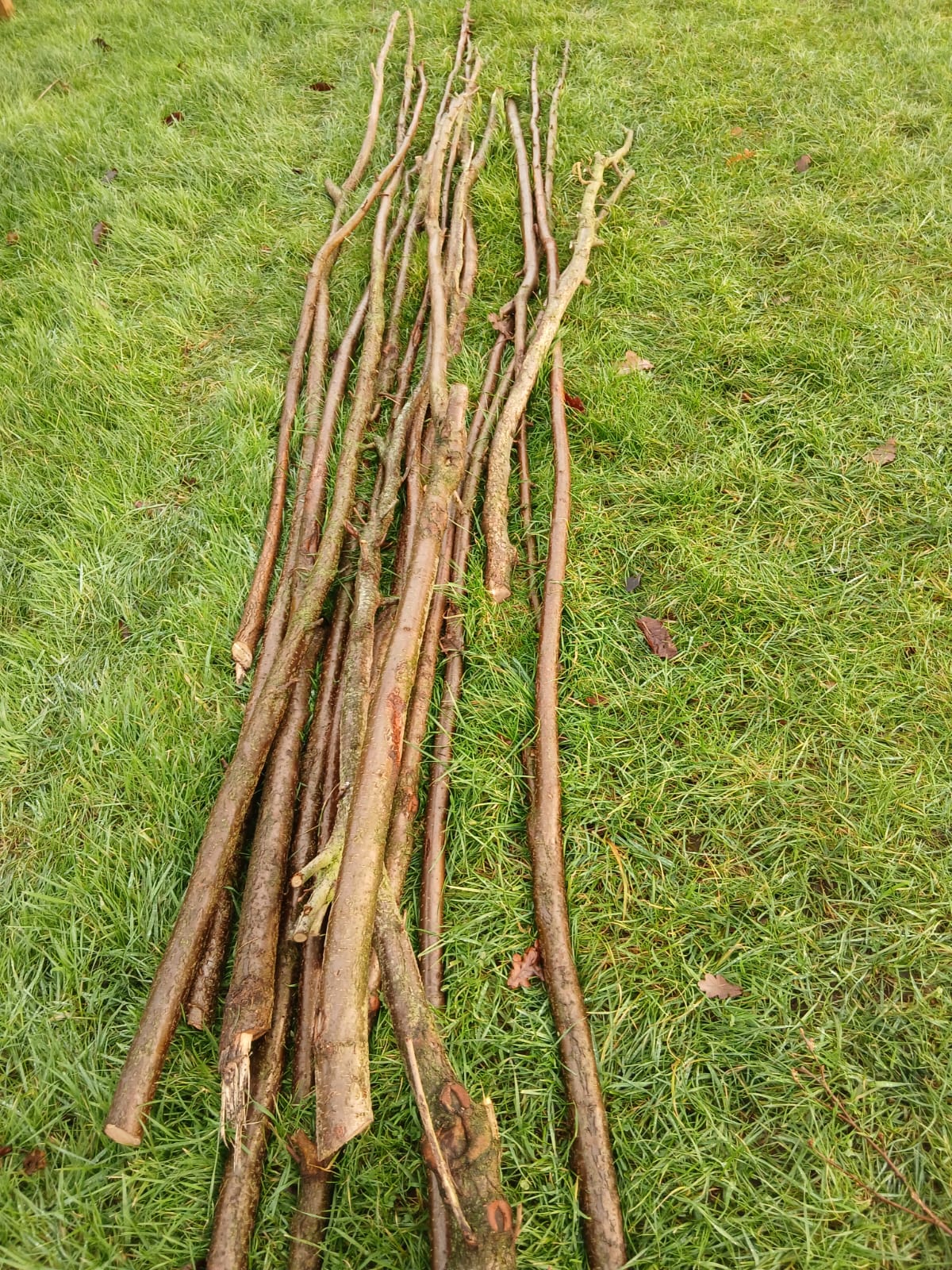
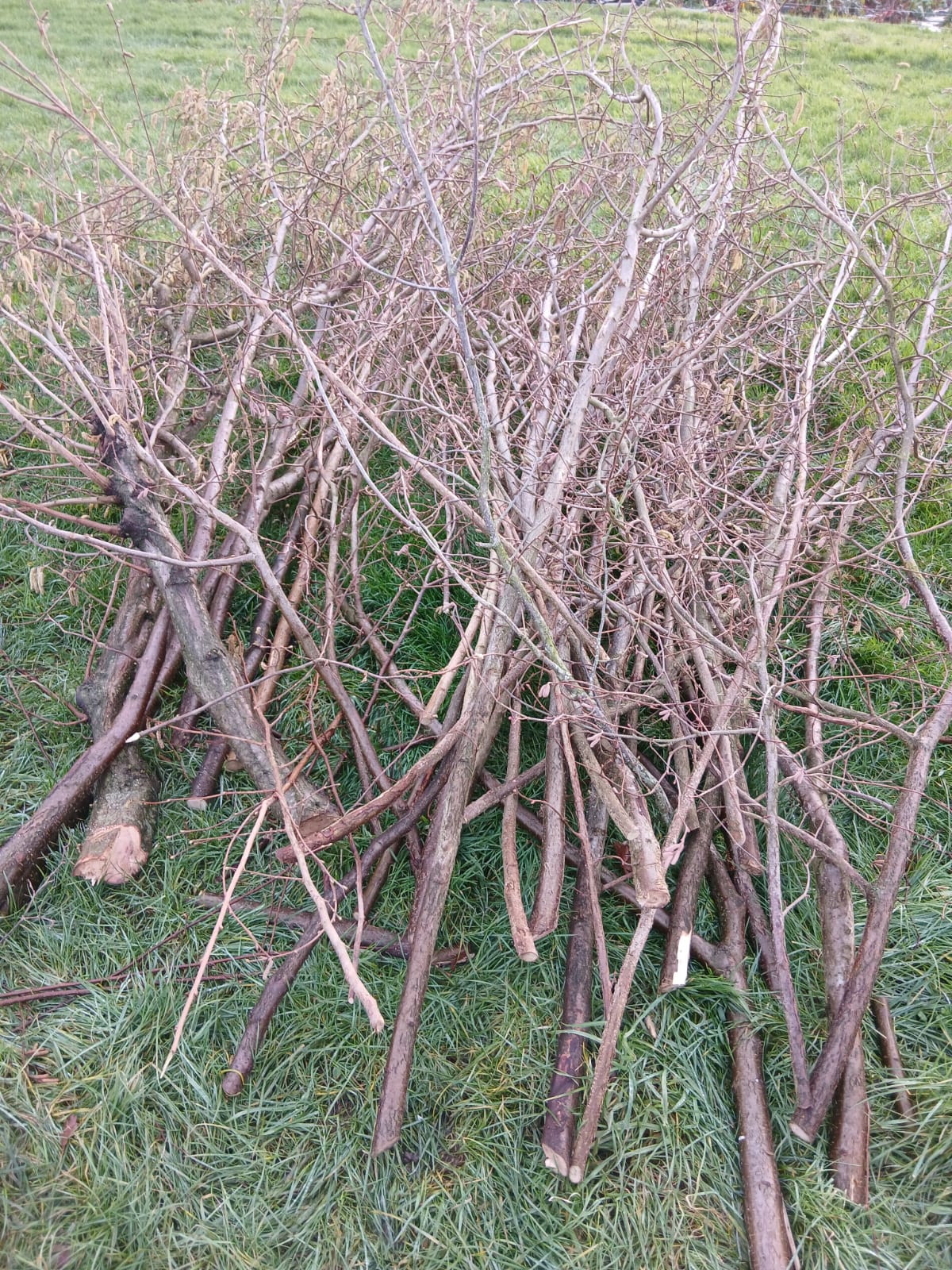
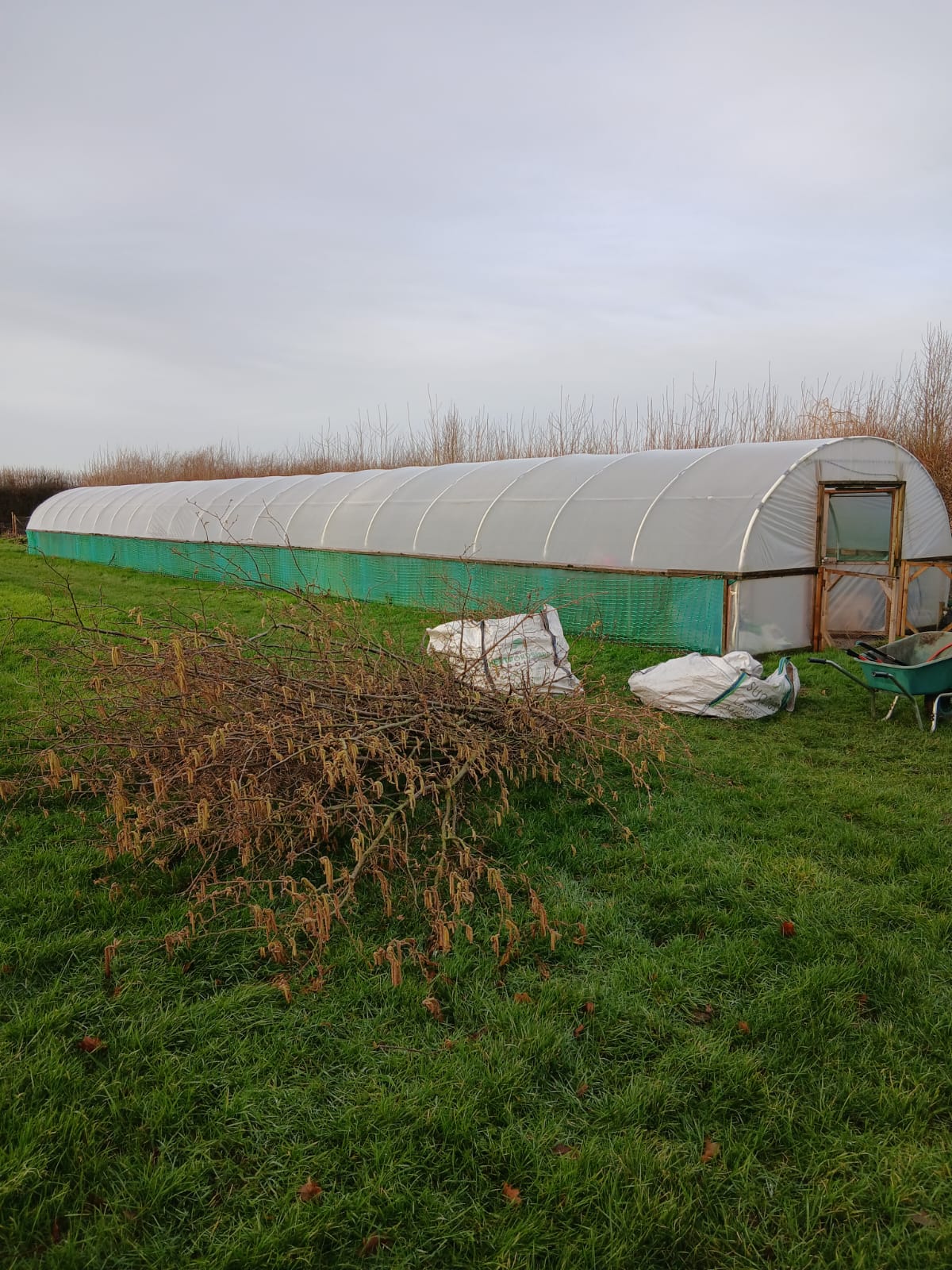
We have several clusters of hazel trees, and this winter we have begun coppicing them, a traditional woodland management technique.
Coppicing involves cutting hazel stems back almost to ground level. Although it can look drastic, it is a sustainable and time-honoured practice that:
- Encourages strong, healthy regrowth in spring
- Improves long-term tree health and structure
- Provides a renewable source of natural materials for the garden
Hazel is particularly well suited to coppicing and responds quickly, producing fresh growth year after year.
How We Reuse Hazel Wood in the Garden
The hazel branches we cut are reused across the gardens, reducing waste and avoiding plastic alternatives. They are used for:
- Natural plant supports instead of bamboo canes
- Weighing down protective netting
- Creating traditional woven fence hurdles
- Supporting climbing plants and garden borders
This approach supports our commitment to wildlife-friendly gardening, sustainability, and working in harmony with nature.
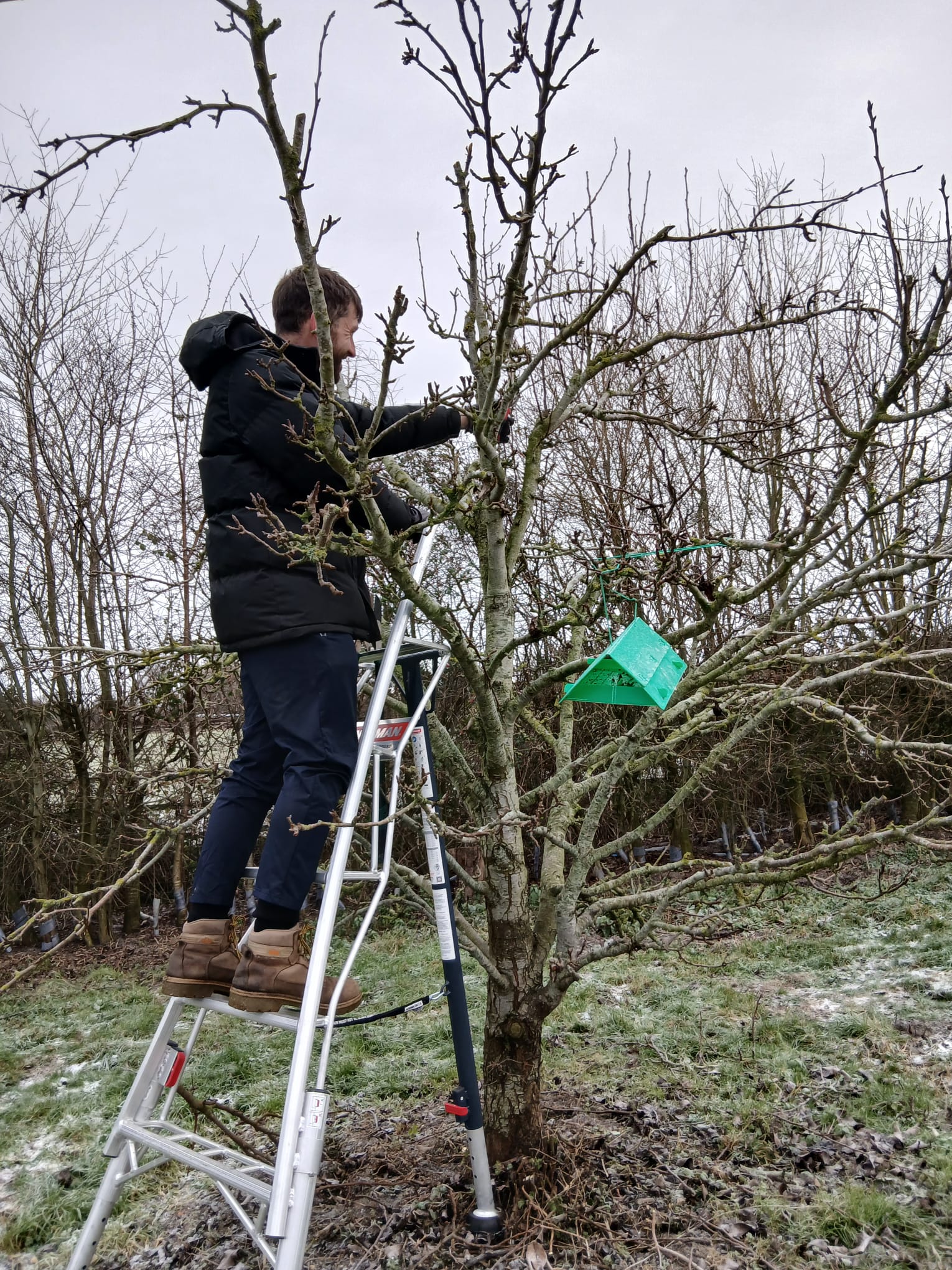
How and Why We Prune Apple and Pear Trees in Winter
January is also one of the best times of year to prune apple and pear trees in the UK.
During winter, the trees are dormant, making it easier to see their structure and shape. Pruning at this time helps us to:
- Remove overcrowded, crossing, or damaged branches
- Improve light penetration and airflow
- Reduce the risk of disease
- Encourage healthier growth and better fruiting later in the year
Careful winter pruning helps create strong, well-balanced trees that are better prepared for the growing season ahead.
Why Winter Orchard Work Matters
Although winter can appear to be a quiet time in the garden, orchard work during these months plays a vital role in:
- Supporting biodiversity and overwintering wildlife
- Maintaining healthy, resilient trees
- Preparing the orchard for spring blossom and fruit
- Using traditional, sustainable gardening techniques
By working with the natural seasons rather than against them, we help ensure the garden continues to thrive for both wildlife and people.
Frequently Asked Questions About Winter Orchard Care
Why don’t you tidy the garden in winter?
Leaving borders and planting areas untouched provides essential food and shelter for birds and insects during the colder months.
What is coppicing?
Coppicing is a traditional method of cutting certain trees, such as hazel, back to ground level so they regrow stronger and healthier.
Does coppicing harm trees?
No. When carried out correctly, coppicing improves tree health and encourages vigorous new growth.
Do hazel trees grow back after coppicing?
Yes. Hazel trees regrow quickly after coppicing and can produce strong new stems within the first growing season.
Is January a good time to prune fruit trees in the UK?
Yes. January is one of the best months to prune apple and pear trees, as they are dormant and less likely to suffer disease or stress.
Why is winter pruning important?
Winter pruning improves airflow and light levels, reduces disease risk, and supports healthier fruit production later in the year.
Looking Ahead to Spring
While much of the garden rests through winter, the careful work taking place in the orchard now lays the groundwork for the months ahead. As spring approaches, we look forward to seeing fresh growth, blossom, and the return of warmer days.
Visit the Gardens 🌿
The orchard is just one part of the wider Children’s Memorial Garden & Food Bank, a place of peace, reflection, and connection with nature.
The gardens exist to support families and individuals affected by child loss, offering a calm, welcoming space where people can spend time outdoors, reflect, and simply breathe. The quiet winter work taking place now helps ensure the garden remains a safe and nurturing environment throughout the year.
If you would like to visit the gardens, learn more about our work, or talk to us about how the space can support you or your family, we would love to hear from you.
Please contact us here to arrange a visit or find out more.
Whether you come to walk, reflect, volunteer, or simply sit among the trees, you will always be welcome.